LIVERPOOL Classic Car Restoration ON Budget
Restoring a classic car on a budget starts with deciding what the vehicle genuinely needs, what can be preserved and which jobs should be tackled first. A restoration can range from repairing localised corrosion and damaged paintwork to extensive body repairs, welding, panel work and a complete respray. Starting without a clear plan can quickly turn an affordable project into a much larger financial commitment.
At CPR Car Body Repairs Liverpool, we believe the condition of the individual vehicle should determine the restoration plan rather than automatically replacing or refinishing everything. As we advise later in this guide, “Liverpool classic car restoration on budget.” That budget should include some contingency for problems that may only become apparent once old paint, filler, trim or corroded material is removed.
This guide looks at practical ways to plan a Liverpool classic car restoration, decide which work you can reasonably undertake yourself and identify the areas where professional bodywork experience can save expensive mistakes later.
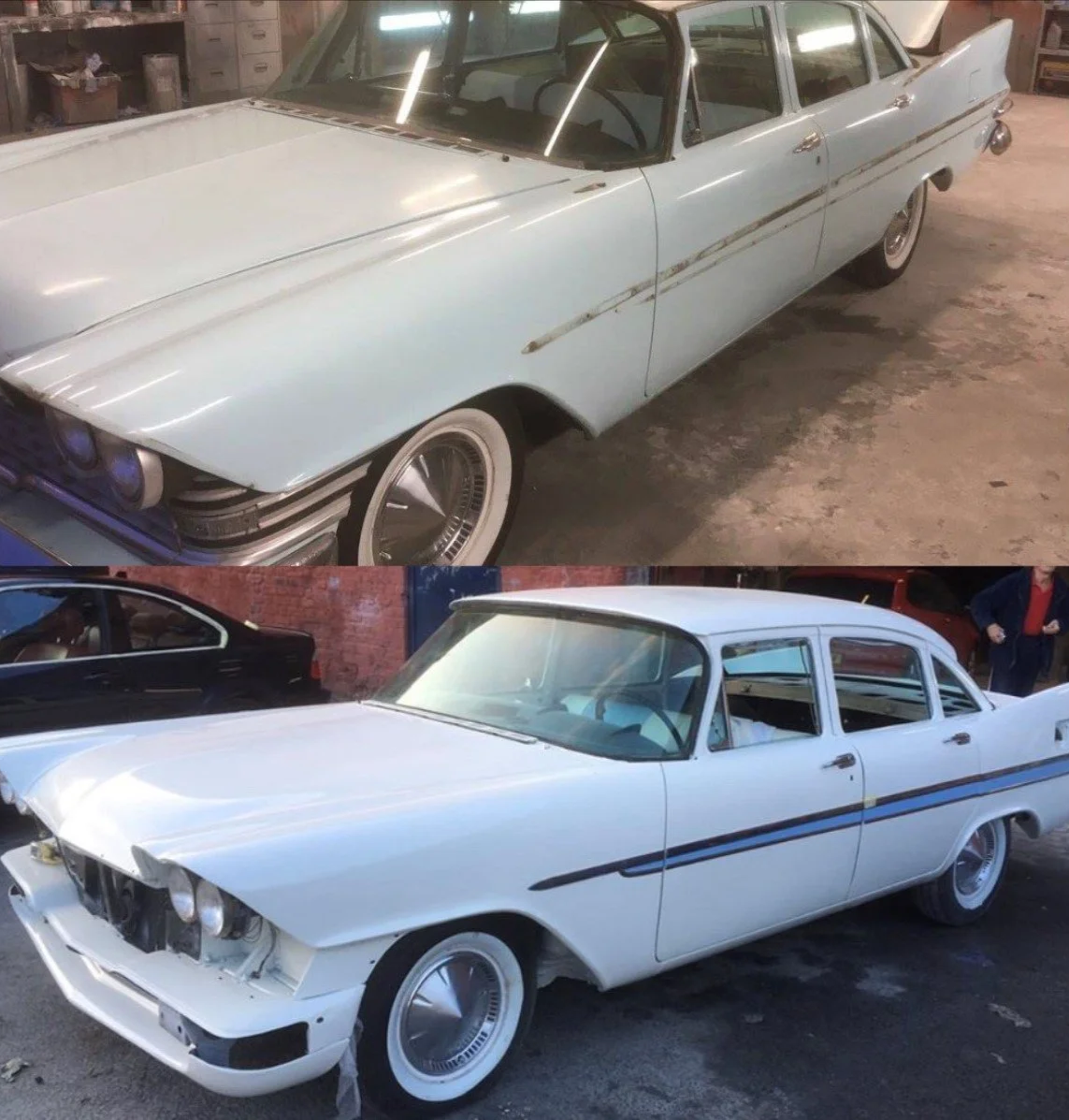
American Plymouth Classic Car Restoration in Liverpool Body Shop
Set a Budget and Do Your Research
The first step in any Liverpool restoration project is to set a budget. Determine how much money you're willing and able to spend on this project. Once you have a budget in mind, start doing your research. Talk to other classic car owners, join relevant online forums, and read as much as you can about Liverpool's classic car restoration. It's important to go into this project with your eyes wide open so that you know what you're getting yourself into!
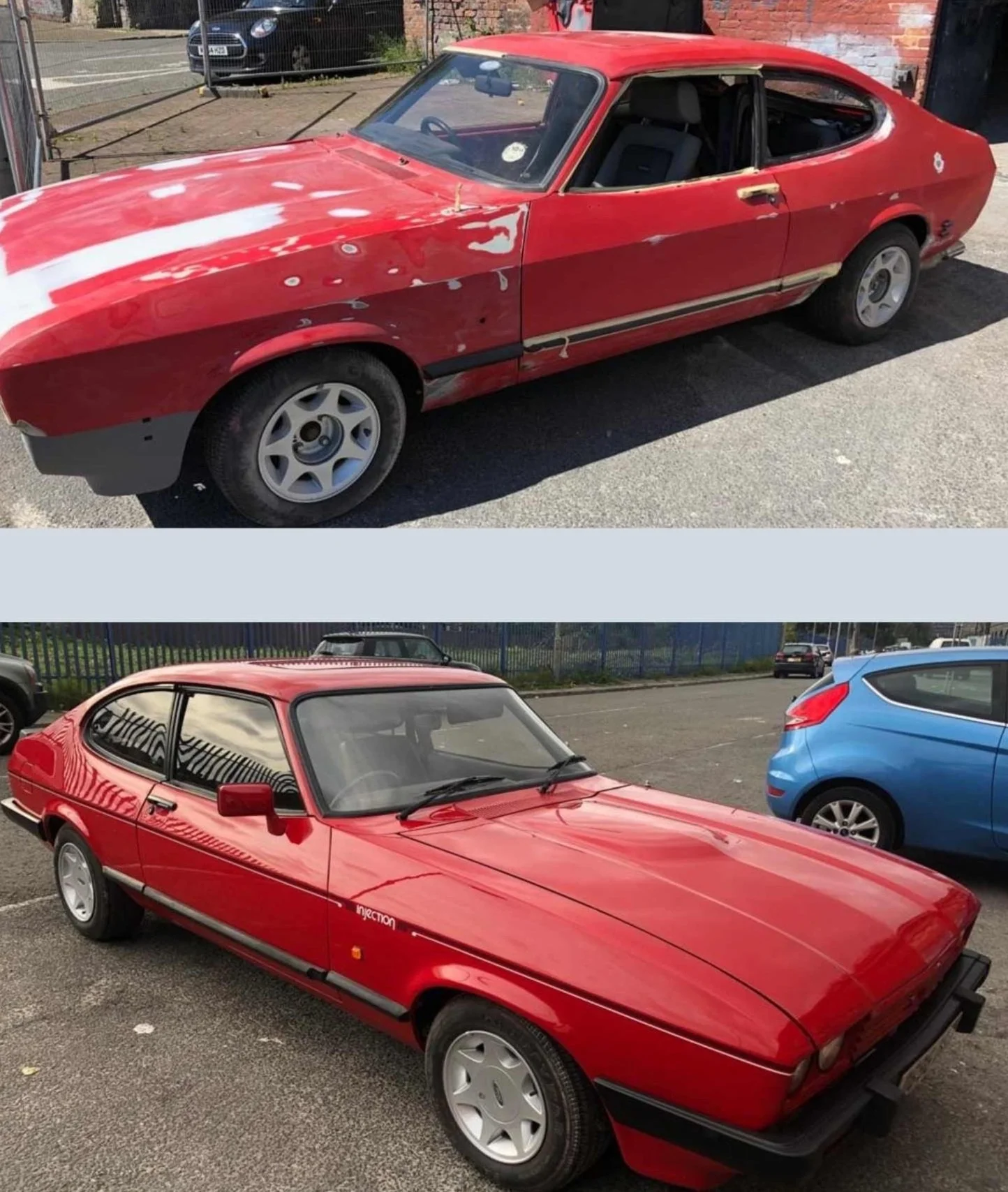
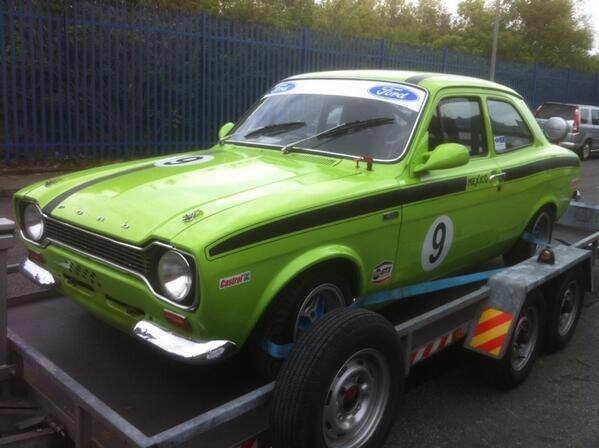
Ford Capri Classic Car Restoration Liverpool
1. Let's start with the basics.
Before you start tearing your car apart, make sure you have all the basics covered. This means having a good working knowledge of how your car works, as well as a firm understanding of the restoration process. Once you have these things down, you'll be able to approach your project with confidence and avoid making costly mistakes.
2. Shop around for parts.
One of the best ways to save money on restoration costs is to shop around for parts. There are plenty of sources for affordable parts, so take your time and compare prices before making a purchase. You may even be able to find some used parts that will work just as well as new ones.

American Jeep before and after Restoration in Liverpool Body Shop
3. DIY whenever possible.
If you're handy with tools, there's no reason why you can't tackle some of the restoration work yourself. Doing things like stripping paint or repairing rust damage can save you a lot of money in labour costs. And even if you're not handy, there are plenty of simple tasks that anyone can do with a little bit of practice.

French Cattle Wagon before and after Classic Restoration in Liverpool Body Shop
Basic Tools and Materials You'll Need
There are some basic tools and materials that you'll need for just about any classic car restoration project.
Here are a few of CLASSIC CAR RESTORATION essentials:
-A set of good quality tools, including a socket set, wrench set, screwdrivers, pliers, etc.
-A variety of sandpaper grades
-A selection of Car paints (primer, paint for the body, paint for the trim)
-Auto body filler
-Spot putty
-A heat gun
-Masking tape

Volkswagen Club Joker Classic Car Restoration in Liverpool Body Shop
With these tools and materials, you'll be able to tackle most basic classic car restoration projects. If you're not sure where to purchase them, ask around at your local auto parts store or consult one of the many online resources dedicated to classic cars.

Vintage Wheel Bumper Repair - Classic Car Restoration Liverpool
Tips for Sanding and Painting Your Classic Car
Now that you've gathered all of the necessary tools and materials, it's time to start working on your car!
The first step is usually sanding down
Of the surfaces that will be painted. This includes the body of the car as well as any door panels, trim pieces, etc. that will be repainted. Use coarse sandpaper (60 grit or lower) to remove any rust or flaking paint. Then move on to finer grades of sandpaper (120 grit and up) until the surface is smooth.

Vintage Classic Car Restoration in Liverpool Body Shop
Next comes painting!
If you're repainting the entire body of your car, it's best to start with primer. This will help ensure even coverage and prevent any new paint from peeling or flaking later down the road. Good advice is to look on Youtube for a video and learn it well. Mistakes can be expensive.
Once the primer has dried completely
(follow the manufacturer's instructions), apply two coats of paint to the body of your car. Again, make sure to let each coat dry completely before moving on to the next one. Once the base colour has been applied, add any stripes or other accent colours that you desire.

And finally:
Add a layer of clear (lacquer) coat over top of everything for added protection against UV rays and other elements.
And that's it! With some patience and elbow grease, you've completed your first classic car restoration project on a budget!
By following these tips, you'll be well on your way to restoring your classic car on a budget.

Vintage Classic Car Restoration in Liverpool Body Shop
How to Choose a Classic Car Restoration Specialist
Choosing the right specialist is an important part of any classic car restoration project. Look for a Liverpool body shop with proven experience restoring classic and vintage vehicles, and take time to view examples of previous projects and customer reviews. Discuss your plans with the repairer before committing, including any bodywork, paintwork, welding, panel repairs or detailing required, and ask for a clear quotation for the proposed work. Classic car restoration can also take time, particularly when original or suitable replacement parts are difficult to source, so agree a realistic timescale as well as a budget. A good restoration specialist should understand what you want to achieve and help preserve the character of your vehicle while completing the work to a high standard.
Lacking confidence?
If you are unsure about your confidence with Liverpool Classic Car Restoration, it is advisable to seek the help of a professional Body Shop.
CPR Car Body Repair are Liverpool Body Shop who specialise in Classic Car Restoration with over 28 years experience and expertise.
You can follow their social media newsfeed:
CPR's Facebook page: HERE
CPR's Instagram page: HERE
You can drop by to discuss your Liverpool Classic Car Restoration project at the following address:
Unit 2 Blackstock Street, Liverpool, L3 6EP
See our Customer Review page: HERE
Please see our information Blog Posts:
Alloy Wheel Rim Refurbishment - keep your wheels looking sharp
Ultimate Guide to Paint Repair in Liverpool
Drop an email below - always here for help and guidance.