If you’ve had a bump on Queens Drive, someone has reversed into you in a Liverpool One car park, or you’ve come back to find your parked car damaged in Everton, you’ll want an answer to the question every driver asks after Liverpool car damage: insurance or pay? In other words, should you claim on your car insurance or pay for the repair yourself? It’s one of the most common questions we’re asked at our body shop, and the right answer can save you hundreds of pounds.
There’s no single answer that suits everyone. It depends on whose fault the accident was, how much the repair will cost, the excess on your policy, and what a claim might do to your no-claims bonus and future premiums. At CPR Car Body Repairs, a family-run Liverpool body shop repairing cars since 1996, we help drivers work through this every week. This guide explains how it all fits together so you can make the right decision for your car and your wallet.

The Short Answer
If the accident wasn’t your fault, claiming is usually the right route, because the costs should be recovered from the other driver’s insurer.
If the accident was your fault and the damage is minor, paying privately can work out cheaper once you take your excess and a possible premium increase into account.
If the accident was your fault and the damage is significant, claiming on your car insurance is usually the sensible choice.
Whichever way you’re leaning, start with a professional repair estimate. Until you know what the repair will cost, you can’t compare the options properly.
Start With One Question: Whose Fault Was It?
Fault decides who ultimately pays, so it shapes everything else.
When the accident wasn’t your fault
Say another driver runs into the back of you on Scotland Road, clips your wing on Edge Lane or pulls out on you at a junction in Walton. You’re the non-fault party, and the cost of putting your car right should be met by the at-fault driver’s insurer.
You can usually choose how the claim is handled. Either your own insurer deals with it and recovers the costs afterwards, or you claim directly from the other driver’s insurer. In a genuine non-fault accident, you shouldn’t end up out of pocket.
When the accident was your fault
If you caused the accident and you have comprehensive cover, your own insurer will normally pay to repair your car, minus your excess. Expect your no-claims bonus to be affected and your premium to rise at renewal.
If you only have third-party or third-party, fire and theft cover, your policy won’t pay for damage to your own car in an accident you caused. You’ll be paying for the repair yourself either way.
This is where paying privately is often worth considering, particularly for smaller jobs such as a bumper repair or a scratch repair.
When fault is disputed or shared
Sometimes the other driver won’t accept responsibility, or fault ends up split between you. These claims take longer to settle. Report the accident to your insurer straight away, keep every photo and piece of evidence, and avoid admitting fault at the roadside.
Who Might Contact You After a Non-Fault Accident?
After a non-fault accident in Liverpool, it’s common to hear from more than one organisation, so it helps to know who’s who.
Your own insurer should always be told about the accident, even if you don’t plan to claim on your policy. Most policies make this a condition of cover.
The at-fault driver’s insurer may contact you directly and offer to arrange your repair. That can sound convenient, but remember who they work for. Their priority is to keep the cost of the claim down, often by sending cars to repairers on their own agreed rates.
You may also be contacted by accident management or claims companies. Some are reputable and some are not, so before signing anything, check exactly who you’re dealing with, what you’re agreeing to and whether any fees apply.
Above all, you don’t have to accept the first arrangement put in front of you.

Can You Choose Your Own Body Shop in Liverpool?
In most non-fault cases, yes. As the innocent party, you’re entitled to have your car put back into its pre-accident condition, and that generally includes having a say in where it’s repaired.
The insurer paying for the work will want to agree the cost first. They may ask for photos, a written estimate or an inspection, and the cost needs to be reasonable for the damage. A professional accident repair body shop will provide a clear, itemised estimate to support this.
If you’re claiming through your own policy, check the wording. Some insurers only provide extras, such as a courtesy car, when you use their approved repairer.
Asking for your car to go to a Liverpool body shop you trust is a perfectly reasonable request. If you’re not sure what to look for, our guide to choosing the right body shop will help.
When Paying Privately Makes Sense
For accidents that were your fault, paying privately is often the smarter choice for minor damage. Here’s a simple example:
Example: a £700 repair with a £500 excess
If you claim on your car insurance:
Repair cost: £700
Your excess: £500
Insurer pays: £200
You pay now: £500
No-claims bonus: likely to be reduced
Future premiums: likely to increase
If you pay privately:
Repair cost: £700
Your excess: not applicable
Insurer pays: £0
You pay now: £700
No-claims bonus: unaffected
Future premiums: unaffected
These figures are an example only. Your excess, cover and premiums will be different.
Paying privately can make sense when:
The damage is minor, such as a bumper scuff, a small dent or a paint scratch
The repair costs little more than your excess
You’ve built up a valuable no-claims bonus
The accident was your fault, so there’s no other insurer to recover costs from
Claiming on your car insurance usually makes sense when:
The accident wasn’t your fault
The damage is extensive or affects several panels
Other vehicles, property or people were involved
As a rule of thumb, paying privately is worth considering when the damage is minor (a bumper scuff, a small dent or a paint scratch), when the repair costs little more than your excess, and when you’ve built up a valuable no-claims bonus.
Claiming usually makes more sense when the accident wasn’t your fault, when the damage is extensive or affects several panels, or when other vehicles, property or people were involved.
One important point: even if you decide to pay privately, most policies still require you to tell your insurer about the accident. Failing to do so could cause problems if the other driver makes a claim later.
For a rough idea of cost before you decide, try our Car Body Repair Estimator.

Your Excess and No-Claims Bonus Explained
Your excess is the amount you contribute towards any claim on your own policy. If your excess is £500 and the repair costs £2,000, you pay £500 and your insurer pays the remaining £1,500.
In a non-fault claim made through your own insurer, you may have to pay the excess at first, but it’s usually recovered from the at-fault driver’s insurer once the claim is settled.
Your no-claims bonus may be affected while a claim is open. For genuine non-fault claims, it’s usually restored once all the costs have been recovered. A protected no-claims bonus helps, but it doesn’t stop your premium from rising, and some insurers take any claim into account at renewal.
Every policy works slightly differently, so always check your own documents.

Could Your Car Be a Write-Off?
If the repair would cost close to, or more than, your car is worth, your insurer may decide it’s a write-off and pay you its market value instead of repairing it. This is another good reason to get a proper estimate early. Our guide to Liverpool car write-offs explains what happens next.
Don’t Forget the Damage You Can’t See
After a collision, what you can see is often only part of the story. A bumper can look almost untouched while hiding cracked brackets, broken fixing clips, a damaged reinforcement bar or parking sensor brackets knocked out of place. Panels around the impact area can also be distorted.
A quick look at the roadside, or a photo-only estimate, can easily miss this. That’s why it pays to have the car looked at properly by a professional body shop in Liverpool. If extra damage turns up during the repair, it should be photographed and agreed with the insurer before any additional work goes ahead.

Why the Body Shop You Choose Matters
Whether you claim or pay privately, the quality of the repair is what you’ll live with afterwards.
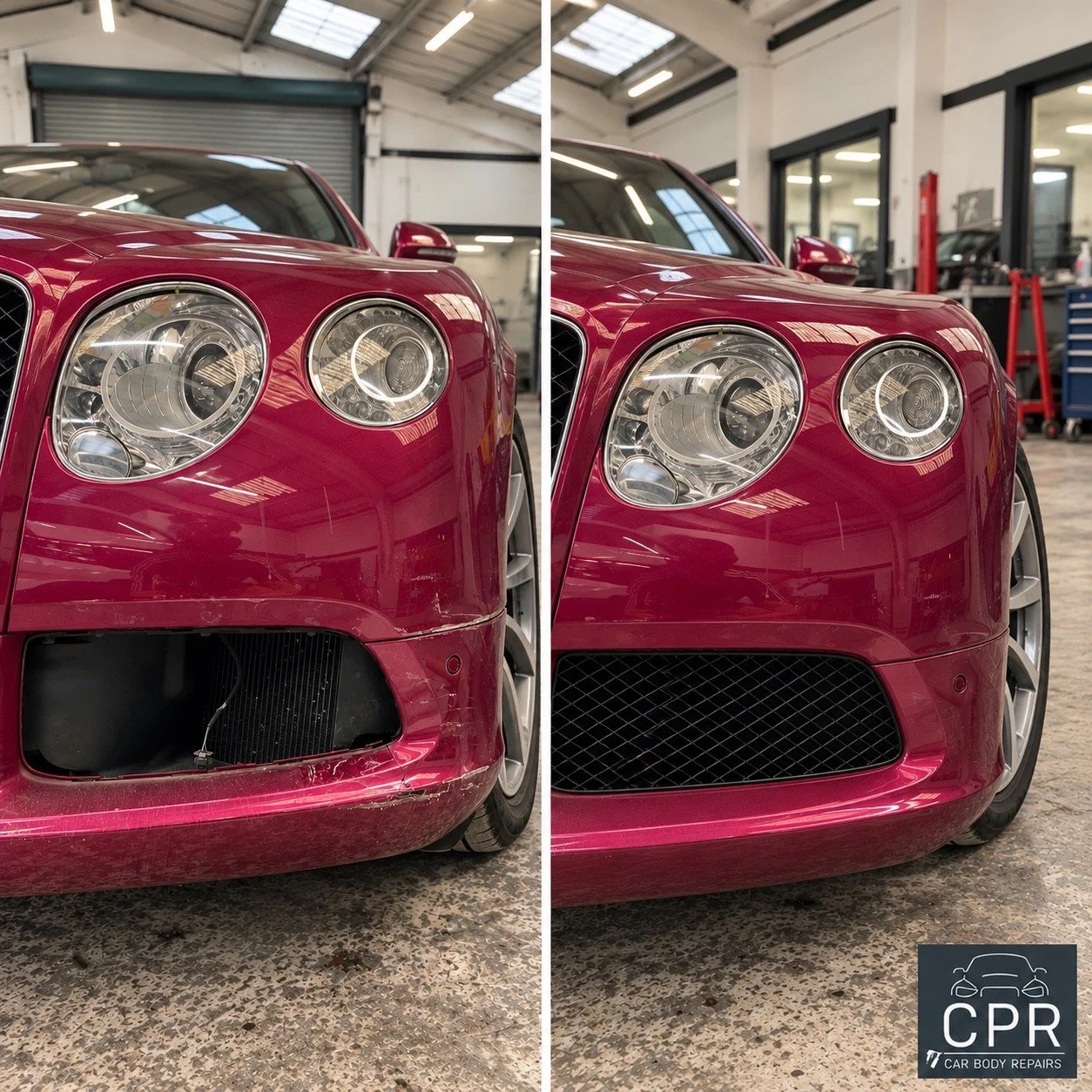
At CPR, every car is repaired inside our workshop and painted in our professional spray booth. A clean, controlled booth gives a far better, longer-lasting finish than a repair carried out outdoors, where dust, damp and cold all affect the paint. We match colours carefully so nobody can tell your car was damaged, remove parts properly so repairs and paint go exactly where they should, and talk you through the work in plain English.
A good repair also helps protect your car’s resale value. Where damage covers a large area, a full car respray can sometimes be the best way to achieve an even finish.
What to Do Straight After an Accident in Liverpool
Make sure everyone is safe, and call the emergency services if anyone is hurt.
Swap names, addresses, phone numbers, registrations and insurance details with the other driver.
Take photos of both vehicles, the damage and the scene.
Note the names and contact details of any witnesses.
Report the accident to your insurer.
Get a professional repair estimate before deciding whether to claim or pay.
Don’t sign anything until you’re happy with the arrangement.
For the full step-by-step repair process, read our Ultimate Guide to Liverpool Accident Repairs.
Frequently Asked Questions
Can I claim on my car insurance for repairs?
If you have comprehensive cover, you can usually claim for accident damage to your own car. If the accident wasn’t your fault, the costs should be recovered from the other driver’s insurer, whatever level of cover you have.
Is it cheaper to pay for minor damage myself?
Often, yes, when the accident was your fault and the repair costs little more than your excess. Paying privately protects your no-claims bonus and can help you avoid a premium increase.
Do I have to use my insurer’s approved repairer?
Not always. In a non-fault claim, you can usually choose your own Liverpool body shop. If you’re claiming on your own policy, check its terms first.
Do you repair vans and motorhomes as well as cars?
Yes. As well as cars, we carry out van body repairs and motorhome and caravan repairs at our Liverpool workshop.
Can I get an estimate before I decide?
Yes. Send us photos on WhatsApp or bring the car to our workshop in Vauxhall, and we’ll give you an honest written estimate. You’ll find more answers on our FAQ page.
Why Liverpool Drivers Choose CPR Car Body Repairs
CPR Car Body Repairs is a family-run body shop that has been repairing cars across Liverpool and Merseyside since 1996. Our workshop is on Blackstock Street, just off Vauxhall Road, a few minutes from the city centre.
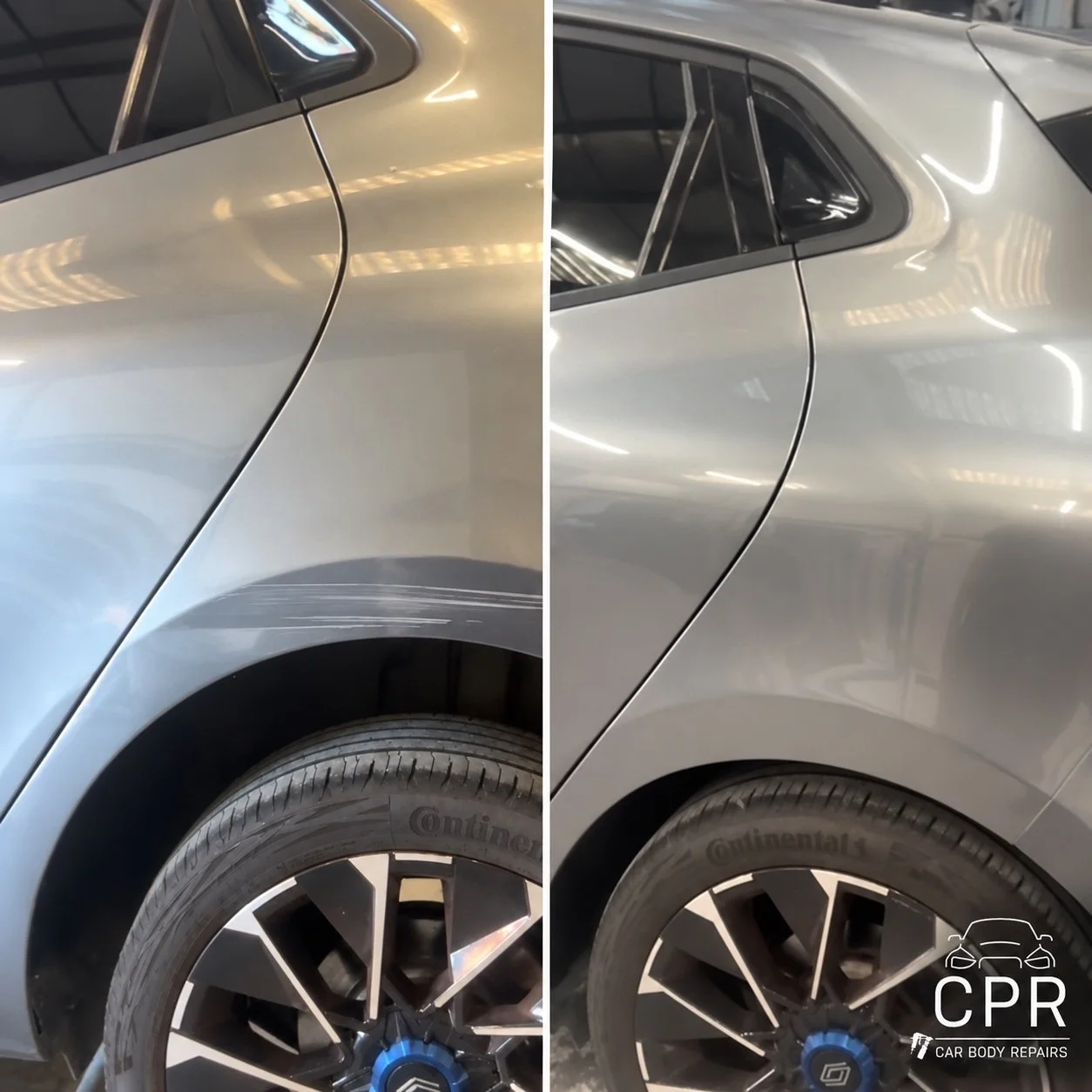
We carry out accident and collision repairs, bumper repairs, dent repairs, scratch, scuff and paint repairs and full resprays, all finished in our professional spray booth. Don’t just take our word for it; see what Liverpool drivers say in our customer reviews.
Get an Honest Repair Estimate in Liverpool
Not sure whether to claim on your car insurance or pay privately? Send us photos of the damage and we’ll give you an honest written estimate so you can decide.
📞 Call: 0151 909 3457
💬 WhatsApp: 07802 348096 (send us a photo of the damage)
📍 Visit: Unit 2 Blackstock Street, Liverpool, L3 6EP
👉 Contact CPR Car Body Repairs
👉 Car body repairs in Liverpool
More from the CPR blog
This article is general guidance only and is not legal, financial or insurance advice. Always check your own policy and speak to your insurer about your specific claim.
Drop us an email quotation request below