Liverpool Car Write-Offs Explained
Hearing that your car has been “written off” can be confusing, particularly when the vehicle does not look beyond repair. A damaged bumper, wing, headlight or door may appear straightforward to replace, yet the insurer may still decide that the car is a total loss. That decision can feel even more surprising when the engine starts, the vehicle is relatively modern or a body shop believes a repair may be technically possible.
The important point is that written off does not always mean impossible to repair. In UK motor insurance, a write-off is often an economic decision. The insurer looks at the vehicle’s value immediately before the incident and compares it with the likely total cost and risk of settling the claim. Repairs are only one part of that calculation. Parts, labour, paint materials, diagnostics, vehicle recovery, storage, replacement transport, administration and the possibility of hidden damage may all affect the insurer’s decision.
For drivers seeking car write-off advice in Liverpool, it helps to separate three different questions:
Is the vehicle technically repairable?
Would a professional repair be safe and sensible?
Is repairing it economically worthwhile within the insurance claim?
Those questions are related, but they are not identical. This guide explains why apparently repairable cars are written off, what the UK salvage categories mean, how insurers usually approach vehicle valuations and what to consider before accepting a settlement or asking to retain the vehicle.
This article provides general information, not legal, financial or insurance advice. Individual policies, vehicles and claims differ, so always check the wording of your policy and obtain advice appropriate to your circumstances.
What does “car written off” mean?
Insurers often use the term total loss when a vehicle is written off. In simple terms, the insurer has decided to settle the claim based on the vehicle’s value rather than authorising the proposed repairs through the normal claim process.
Some vehicles are written off because they are so severely damaged that they must never return to the road. Others are classed as repairable, but the insurer considers the overall claim uneconomical. A car worth £4,000 before an accident presents a very different decision from a car worth £40,000, even if both vehicles suffer visually similar damage.
The Financial Ombudsman Service describes market value as the price the vehicle would have sold for at a reputable dealership immediately before it was damaged or stolen. It is therefore not automatically the price originally paid for the car, the remaining finance balance, the amount required to buy a brand-new replacement or the highest advertised price found online.
The insurer’s decision may also reflect the uncertainty that exists before dismantling. What appears to be a damaged bumper may conceal impact damage to brackets, reinforcement bars, sensors, wiring, cooling components or panels behind it. Until the visible parts are removed, nobody should promise that the damage is purely cosmetic.
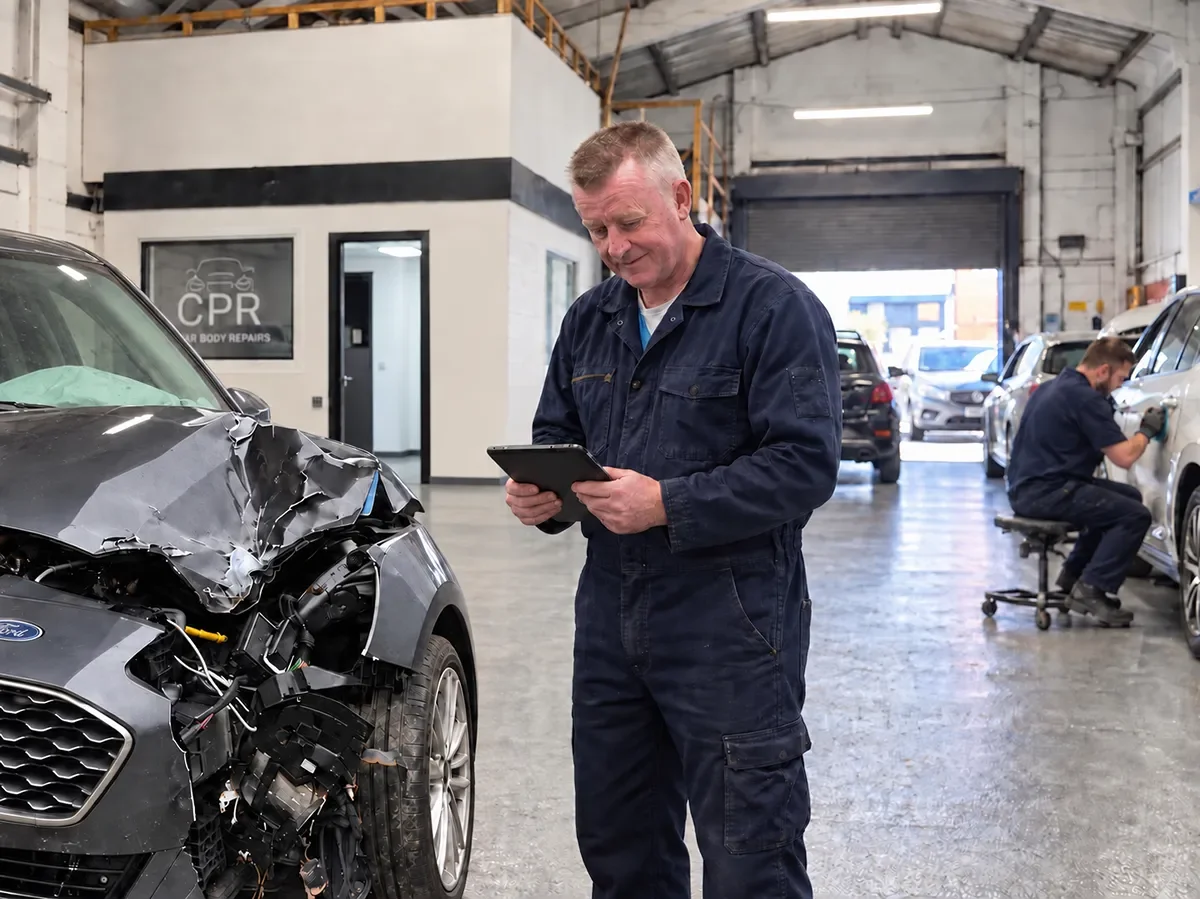
Category S car assessed for repair in Liverpool Body shop
Why repairable cars get written off
A car can be physically repairable and still become an insurance write-off. Understanding the full claim calculation explains why.
The car’s pre-accident market value
The starting point is normally the vehicle’s market value immediately before the loss. Make, model, age, mileage, specification, condition, service history and optional equipment may all influence that figure.
Older vehicles can be written off after relatively moderate damage because their market value has fallen while professional repair costs have not fallen in the same way. Skilled labour, quality paint materials, safe repair methods and replacement parts still cost money regardless of whether the vehicle is three years old or thirteen years old.
This is why a low-speed impact may produce a total-loss decision on an otherwise reliable older car. It does not necessarily mean that the car was worthless or that the visible damage was catastrophic. It may simply mean that the estimated claim cost represents too large a proportion of its pre-accident value.
Replacement parts and availability
Parts prices can have a major effect on the repair estimate. A modern bumper assembly may include more than the painted outer cover. Depending on the vehicle, it can contain parking sensors, radar equipment, cameras, brackets, absorbers, reinforcement bars, lamps or decorative trim.
Availability matters too. A part that is difficult to obtain can delay the repair and increase associated costs. The correct part may need to be sourced from a manufacturer, specialist supplier or donor vehicle. A repairer must also consider whether a used or alternative part is suitable, permitted by the repair method and acceptable within the customer’s or insurer’s requirements.
Labour and specialist repair processes
Safe accident repair is not simply a matter of pushing out a dent and applying paint. The estimate may include dismantling, measuring, panel repair or replacement, welding, corrosion protection, preparation, paint mixing, colour matching, refinishing, reassembly and final quality checks.
Modern vehicles can require additional diagnostic work. Driver-assistance equipment may need inspection or calibration after particular components have been disturbed or replaced. The exact requirements depend on the vehicle and the nature of the impact. These tasks add time and cost but should not be ignored merely to keep an estimate below a write-off threshold.
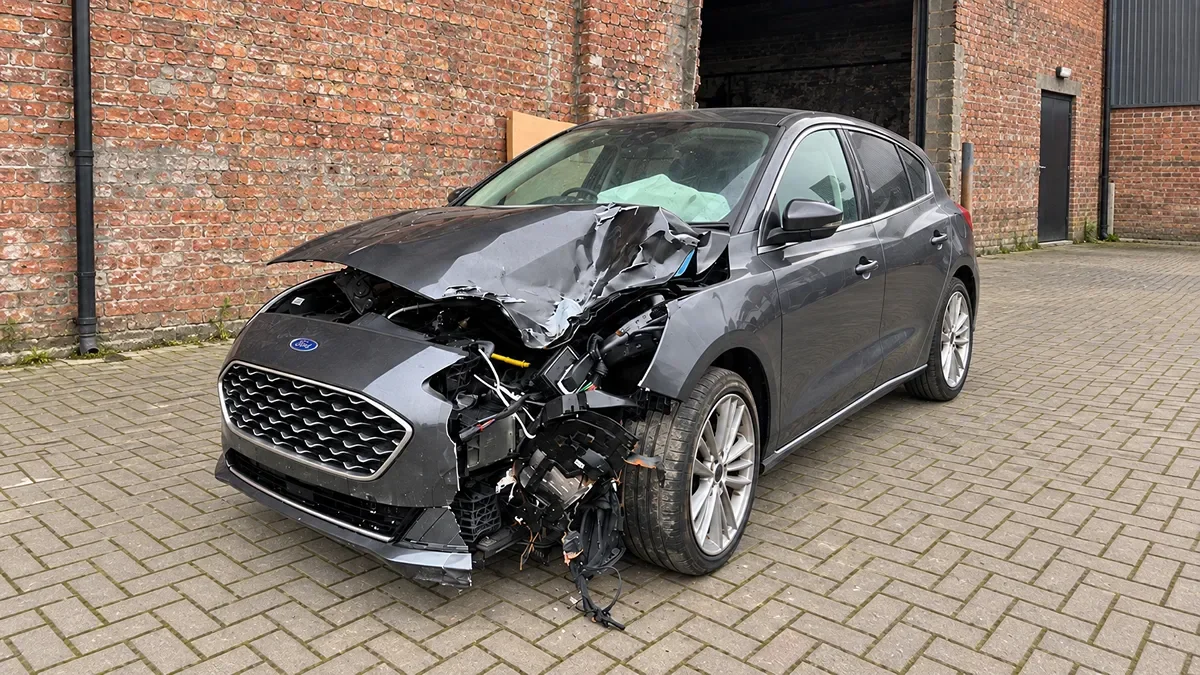
Accident damaged car at CPR Liverpool Body Shop
Hidden accident damage
The first estimate is based on what can reasonably be seen and assessed. Once the vehicle is dismantled, further damage may be discovered. Insurers allow for this possibility when making a total-loss decision.
Examples of hidden damage may include:
Broken bumper mountings or headlamp brackets
Distorted reinforcement components
Damage behind an outer wing or quarter panel
Split plastics hidden by trim
Wiring, sensor or connector damage
Cooling-system damage behind the front panel
Water ingress after a panel or seal has moved
Previous poor-quality repairs uncovered during preparation
Not every accident reveals extra problems, but uncertainty has a value. If the initial estimate already sits close to the insurer’s economic limit, the risk of supplementary work may influence the decision to write the car off.
Recovery, storage and replacement transport
The body repair itself is not always the only claim expense. Recovery charges, vehicle storage and replacement transport can increase the total cost. Policy terms vary, particularly around courtesy cars and hire vehicles, so drivers should check exactly what their cover provides following a total-loss decision.
The longer a complex claim remains unresolved, the greater some associated costs may become. This is another reason insurers try to make an early decision once they have sufficient information.
Salvage value
A damaged vehicle can retain value as salvage. Depending on its category and condition, it may be suitable for professional repair or for parts recovery. The amount that can be recovered from the salvage forms part of the insurer’s overall calculation.
This does not mean the salvage value is simply added to the customer’s settlement. If a policyholder asks to retain a Category S or Category N vehicle and the insurer agrees, a salvage deduction will normally be relevant because the customer is keeping an asset that would otherwise have passed to the insurer or its salvage agent. The insurer should explain the figures and process used in that individual claim.
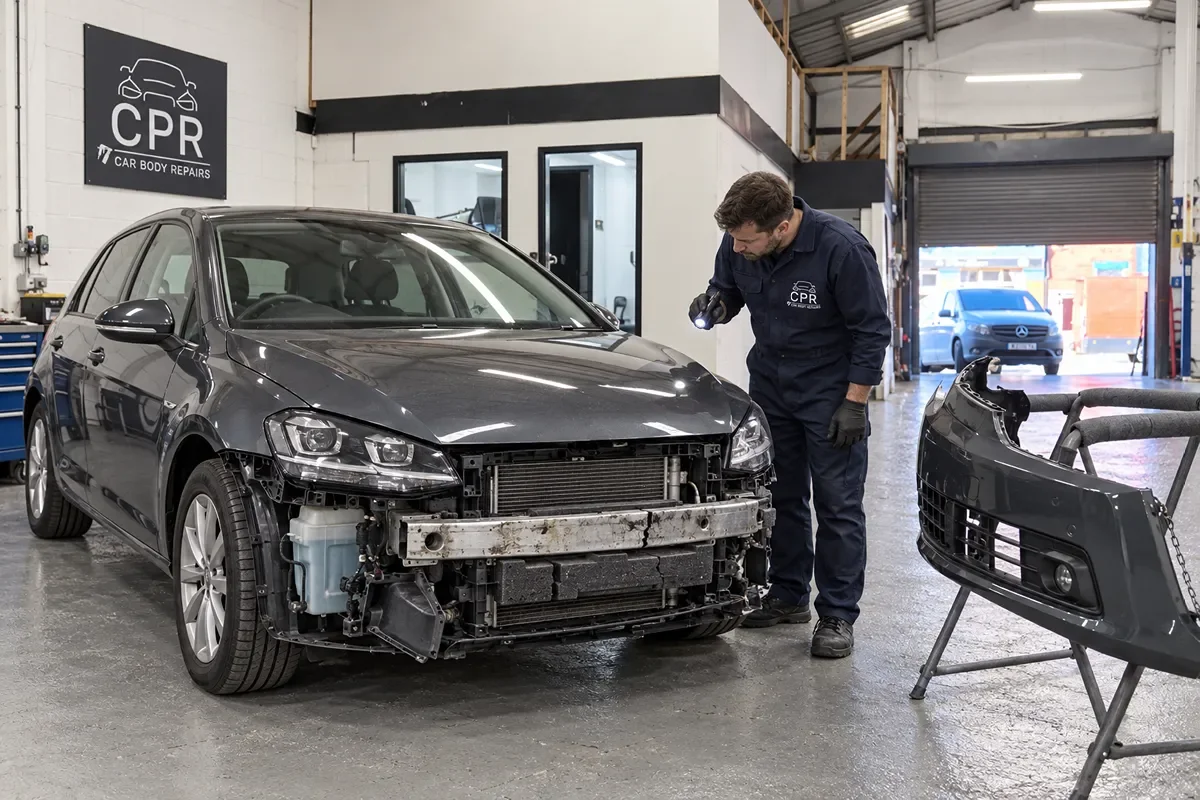
Hidden car damage being inspected
Repairable does not automatically mean roadworthy
The word repairable needs careful handling. A vehicle may be capable of being rebuilt, but that does not mean it should be driven before it has been properly inspected and repaired.
After an impact, a car may have sharp edges, insecure bodywork, damaged lamps, exposed components, rubbing tyres, impaired visibility or faults affecting steering, suspension, restraint systems or electronic safety equipment. Some problems are not obvious from photographs.
Do not assume a vehicle is safe because it starts and moves. If there is any doubt, arrange professional recovery rather than driving it to a body shop. A visual roadside check cannot replace a proper accident-damage assessment.
For Liverpool drivers, CPR can assess visible body damage and explain the likely repair work. Where mechanical, electrical or specialist safety-system investigation is required, the appropriate checks must form part of the decision. Safety should always come before preserving the value of the car or avoiding an insurance claim.

Damaged car sill before and after repair in Liverpool
UK car write-off categories explained
The UK salvage system uses four principal categories: A, B, S and N. They describe what may happen to the vehicle after the total-loss decision; they are not a simple ranking from lightly damaged to heavily damaged.
Category A: scrap only
A Category A vehicle must be crushed in its entirety. It cannot return to the road, and its components are not intended to be reused. This category is reserved for vehicles that should be completely destroyed.
If a vehicle is classified as Category A, retaining it for repair is not an option.
Category B: break for parts
A Category B vehicle must not return to the road. Some usable parts may be recovered through the appropriate dismantling route, but the body shell must be destroyed.
Category B is therefore not a repairable write-off for road use. Even if individual components remain undamaged, the vehicle itself cannot be rebuilt and legally returned as the same road-going car.
Category S: structurally damaged but repairable
Category S means the vehicle has sustained damage to an element of its structural frame or chassis, but it is considered repairable. This category requires particular care because the quality and accuracy of the structural repair directly affect the vehicle.
A Category S car may return to the road after a proper repair, but buyers and owners should insist on credible evidence of what was damaged and how it was repaired. That evidence could include the original damage photographs, repair invoices, parts records, measurements and images taken during the repair process.
The Government’s guidance states that if an owner keeps a Category S vehicle, the complete log book is sent to the insurance company and the owner applies for a replacement using form V62. DVLA records the category on the log book.
The fact that a Category S car can be repaired does not mean every Category S project is financially sensible. Before retaining one, obtain a realistic assessment that includes dismantling risk, structural work, parts, paint, mechanical checks and any necessary diagnostics.
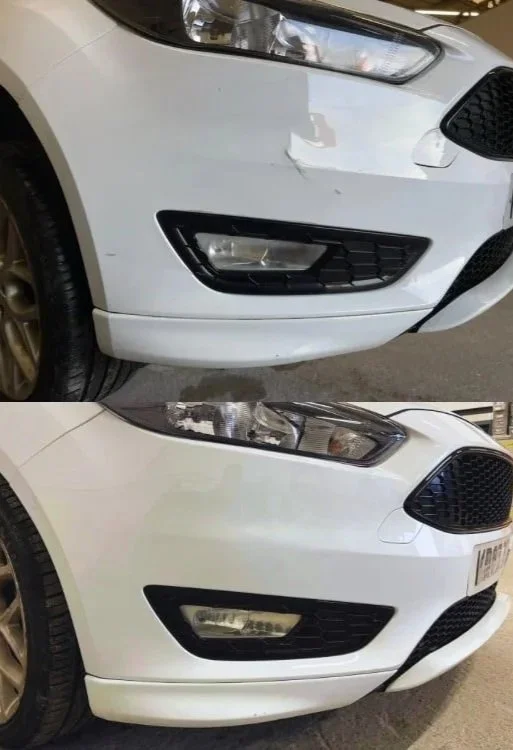
Non structural bumper damage repair
Category N: non-structurally damaged but repairable
Category N means the vehicle has not been classed as having structural damage under the salvage code. It may still have important and expensive damage.
The “N” should not be interpreted as “nothing serious”. Damage might involve steering, suspension, brakes, electrical systems, safety equipment or other components that must function correctly. Alternatively, it may be largely cosmetic bodywork. The category alone cannot tell you the complete repair cost or whether the car is currently safe to drive.
A Category N vehicle may return to the road after suitable repairs. As with any written-off vehicle, keeping detailed evidence of the pre-repair condition and completed work can help future buyers, insurers and repairers understand its history.
Category S versus Category N
The main distinction is whether the vehicle has been categorised as structurally damaged. Category S involves structural damage; Category N does not. Both categories are potentially repairable and may return to the road if properly repaired and roadworthy.
However, category does not provide a complete price comparison. A Category N vehicle with costly electronics, suspension or several bolt-on panels could be more expensive to repair than a Category S vehicle with a contained structural repair. Each car needs an individual assessment.
When considering a written-off car, ask:
What exactly was damaged?
Has the vehicle been dismantled sufficiently to assess hidden damage?
Which parts require repair and which require replacement?
Is structural measurement or alignment needed?
Are there mechanical, electrical or safety-system faults?
What repair method is proposed?
What evidence will be supplied after completion?
How will the write-off history affect insurance and resale value?
These questions are more useful than deciding on category alone.
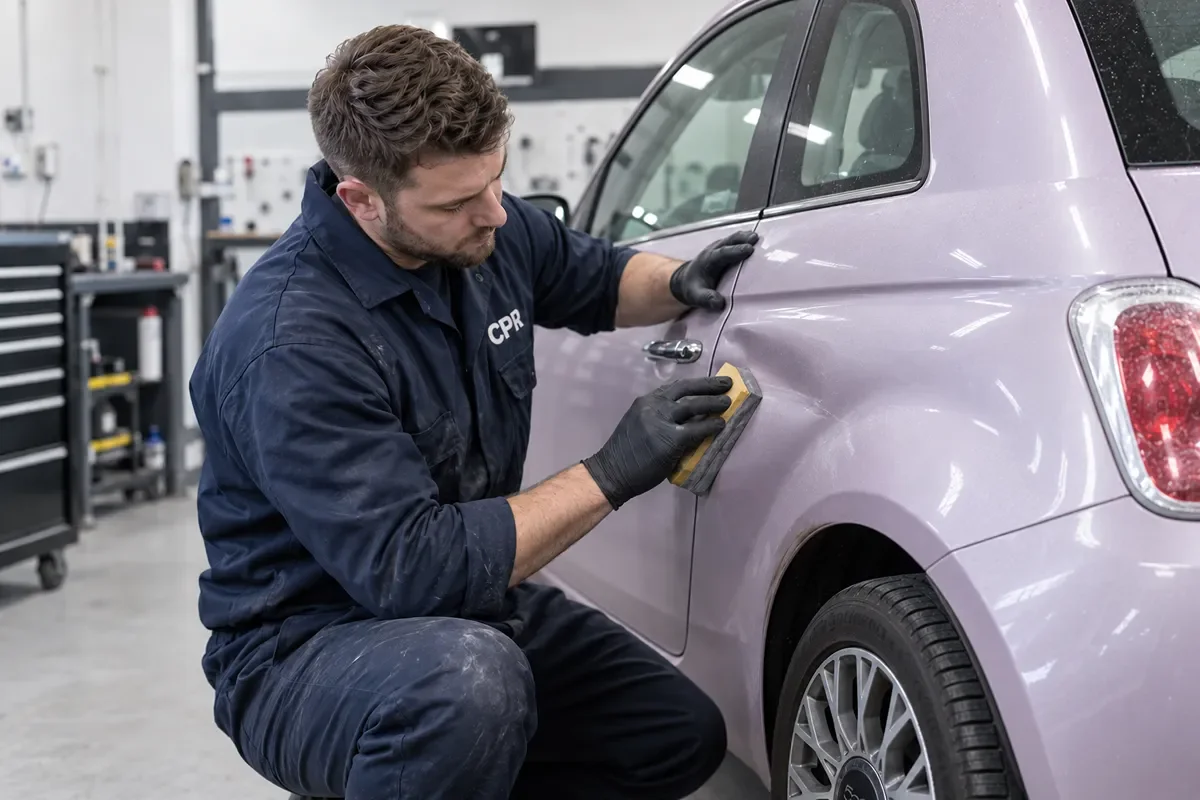
Body Repair Expert prepping damaged car
Can you keep a written-off car?
You may be able to retain a Category S or Category N vehicle, subject to the insurer’s agreement and the handling of the claim. The Government describes this as the insurer paying the settlement and selling the vehicle back to the policyholder.
Tell the insurer as early as possible if you want to explore retention. Do not assume the car will automatically remain available once the total-loss process has advanced. Ask for the proposed settlement, salvage deduction, category and practical requirements in writing.
Before agreeing, consider the full financial picture:
The insurer’s market-value offer
Your policy excess and any other deductions
The salvage amount deducted to retain the vehicle
The realistic repair estimate
Possible supplementary work after dismantling
Recovery and storage costs
Any diagnostics, calibration or specialist checks
The effect on future resale value
Whether insurers will offer suitable future cover
How long you can manage without the vehicle
Retaining a car can make sense in some circumstances. The vehicle may be rare, cherished, unusually well maintained or worth more to its owner than a generic guide valuation suggests. A professional repair may also be achievable at a sensible cost. In other cases, accepting the settlement and replacing the car will be the safer financial choice.
The decision should be based on documented numbers rather than attachment to the vehicle or an optimistic estimate made before dismantling.
How insurers value a written-off car
The settlement is usually based on the vehicle’s market value immediately before the incident, subject to the policy terms. The Financial Conduct Authority expects insurers to handle claims promptly and fairly and to use processes that identify a fair estimate of market value.
Valuation is not an exact science. Insurers may use recognised motor-trade guides and other market evidence. Vehicle condition, mileage, model variant, factory options and service history can matter. An advertised vehicle that merely looks similar may have a different engine, trim level, mileage or condition.
Evidence to gather before challenging a valuation
If you believe the offer is too low, prepare evidence methodically:
The correct make, model, derivative and registration year
Accurate mileage immediately before the loss
Service history and maintenance records
Receipts for significant recent work
Evidence of factory-fitted options or unusual specification
Clear pre-accident photographs showing condition
Advertisements for genuinely comparable vehicles from reputable sellers
Details of any mistakes in the insurer’s vehicle description
Recent tyres, servicing or repairs do not always increase the market value by the full amount spent, because maintaining the car is part of normal ownership. However, records can help demonstrate that the vehicle’s condition was better than an assumption based on age alone.
Choose comparable adverts carefully. A much newer, lower-mileage or higher-specification car does not prove the value of yours. Equally, the cheapest listing may not represent an equivalent vehicle. Focus on a reasonable selection with similar age, mileage, model, specification and condition.
What if the insurer’s offer seems unfair?
Ask the insurer to explain how it calculated the valuation and correct any inaccurate vehicle details. Submit your evidence and use the insurer’s formal complaints process if the disagreement remains.
The Financial Ombudsman Service can consider eligible complaints after the insurer has had the opportunity to respond through its complaints procedure. The Ombudsman says most valuation complaints concern disagreements over market value and describes that value as the selling price at a reputable dealership immediately before the damage or theft.
Keep correspondence, valuations, photographs and call notes together. A clear evidence pack is more persuasive than a general statement that the vehicle was “worth much more”.
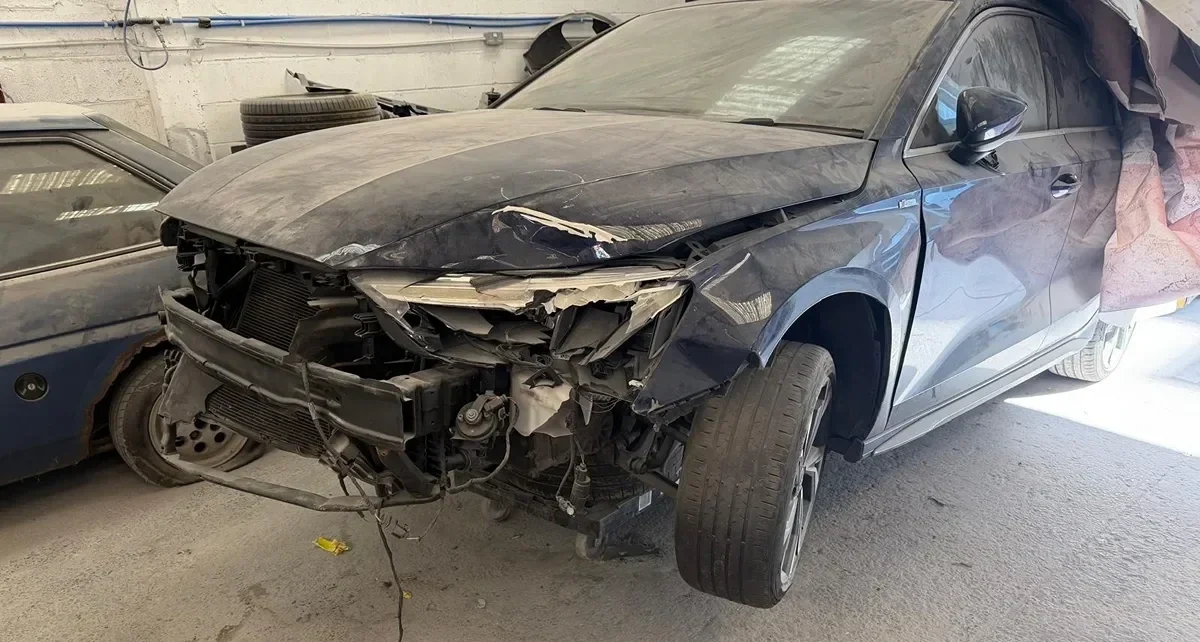
Car awaiting to be repaired at CPR Liverpool Body Shop
Should you repair a Category S or Category N car?
There is no universal answer. A repairable write-off may be a sensible project when the damage and costs are properly understood. It may be a poor decision when the estimate is incomplete, parts are difficult to obtain or the expected saving disappears once hidden damage is found.
Reasons an owner might consider repair
The vehicle has sentimental or specialist value
Its condition before the accident was unusually good
The damage is clearly documented
A reputable repairer has inspected it
Parts and repair methods are understood
The total budget includes contingency
The owner accepts the effect on future value
Suitable insurance can be arranged
Reasons to proceed cautiously
The car has not been dismantled for assessment
There is no evidence of the original damage
Structural repairs are poorly documented
Warning lights or electrical faults remain unexplained
The estimate excludes essential diagnostics or alignment
The project only appears affordable with unrealistically cheap parts or labour
The owner expects the repaired car to retain the value of an equivalent vehicle without write-off history
The cheapest quotation is not automatically the best. A safe, durable repair requires the correct methods, suitable materials and honest assessment of what cannot yet be seen.
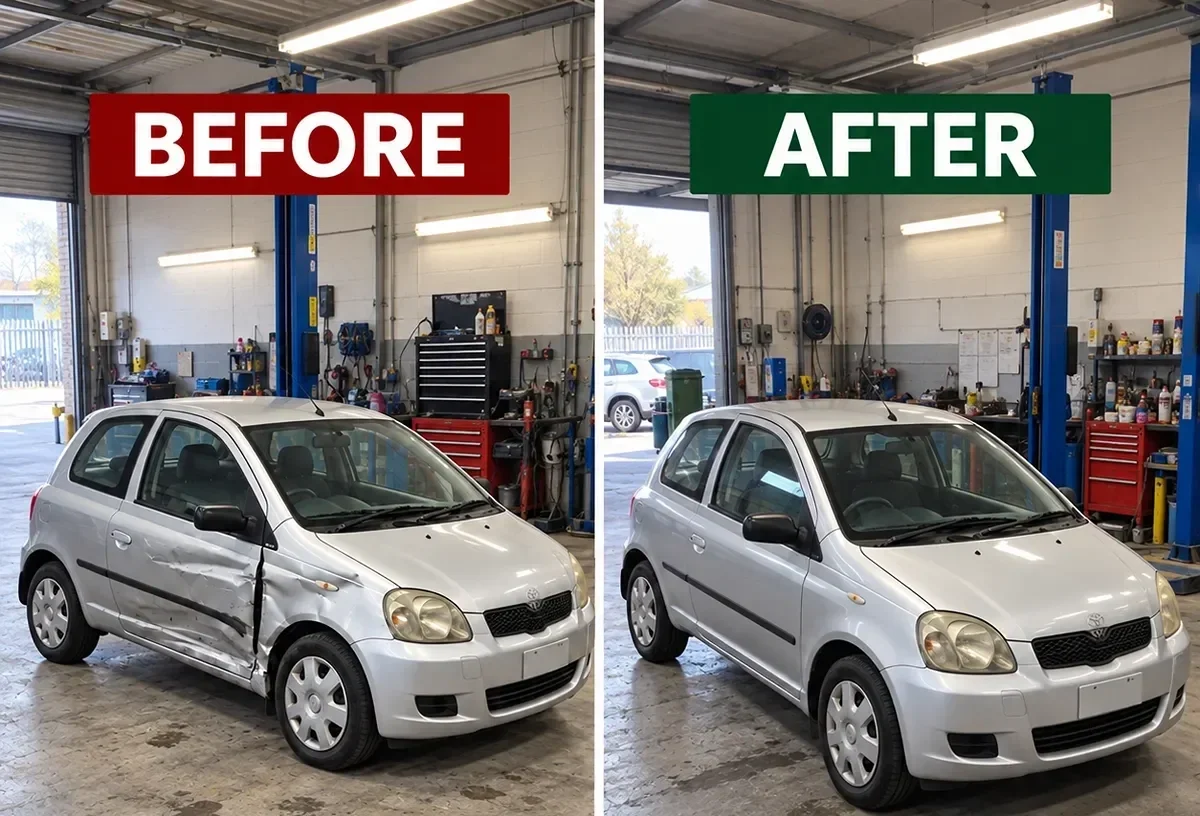
Before and after Accident repair at CPR Liverpool Body Shop
Does a repaired write-off need an MOT?
A written-off vehicle must be roadworthy before it is used on the road. Normal MOT requirements still apply according to the vehicle’s age and circumstances, but an MOT should not be treated as proof that every aspect of an accident repair was completed to the highest body-repair standard.
The MOT checks specified roadworthiness items at the time of the test. It is not a detailed certification of the quality of every weld, panel alignment, corrosion-protection treatment, paint process or historic structural repair.
For a Category S or Category N car, retain the repair records as well as the MOT history. Together, photographs, invoices and inspection information give a much clearer account of the vehicle than an MOT certificate alone.
Will a write-off affect insurance and resale value?
Write-off history can affect the vehicle’s future value because buyers compare it with equivalent cars that have not been categorised. The amount of any reduction depends on the vehicle, category, repair quality, evidence and market demand.
Insurance availability and terms may also vary. Before spending money on retention and repair, speak to prospective insurers and disclose the category accurately. Do not assume that the previous policy will continue unchanged after a total-loss settlement.
When eventually selling the vehicle, be transparent about its history. A well-organised repair file containing photographs, estimates, invoices and parts information can help a prospective buyer make an informed decision. Missing evidence naturally creates uncertainty, even where the finished paintwork looks excellent.
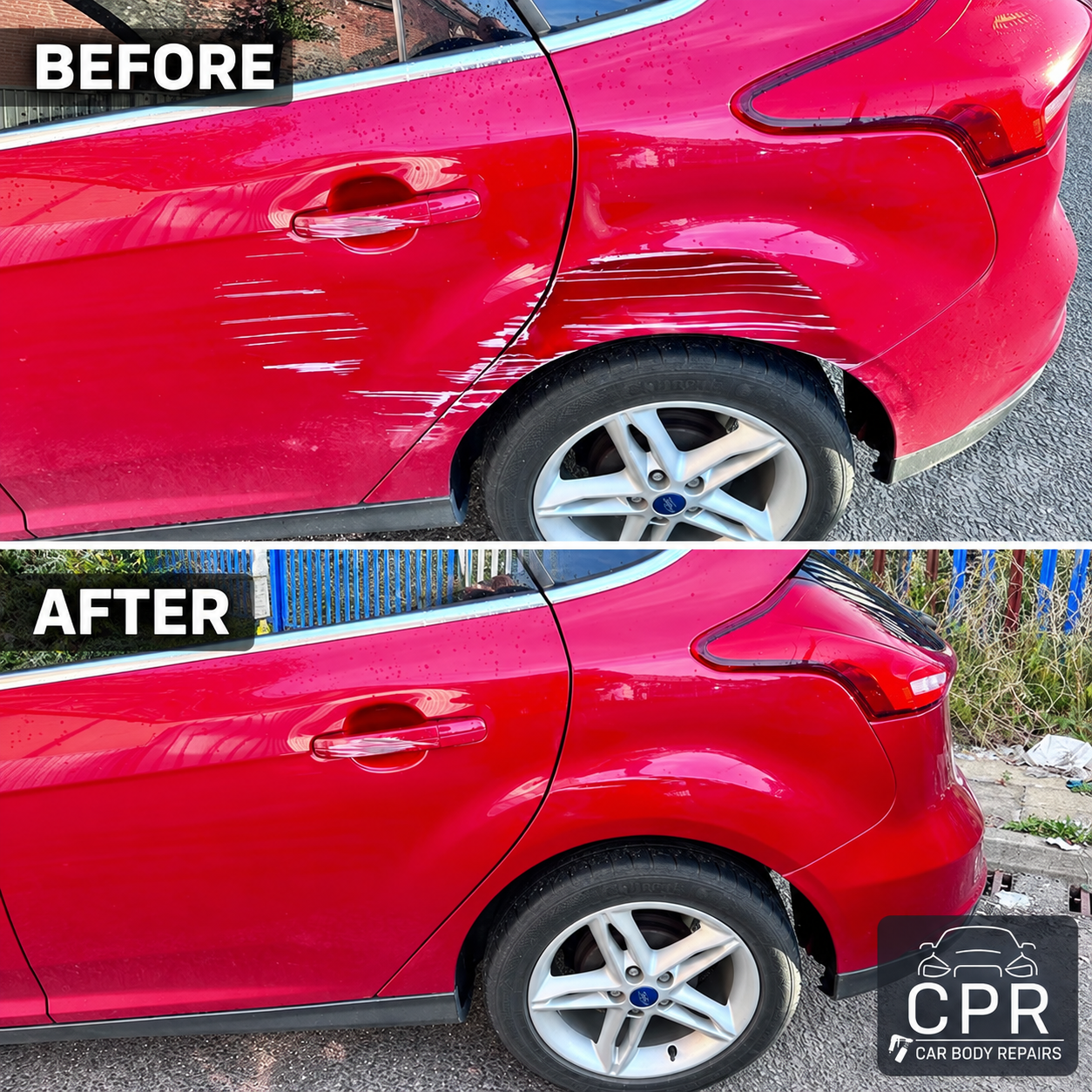
Car Body Repair at CPR Liverpool Body Shop
What to do after your car is written off
The period immediately after the decision can feel rushed. Use this checklist to slow the process down and gather the information needed.
1. Ask for the decision in writing
Confirm the proposed category, valuation, deductions and next steps. Ask whether storage or recovery deadlines apply.
2. Remove personal belongings
Collect keys, documents, parking permits, child seats and other possessions if it is safe and authorised to access the car. Agree with the insurer or recovery operator before removing any vehicle parts.
3. Check the vehicle description
Make sure the insurer has the correct model, derivative, mileage, specification and pre-accident condition.
4. Gather valuation evidence
Collect service records, receipts, pre-accident photographs and genuinely comparable dealer advertisements.
5. Decide whether retention is realistic
If you may want the car back, tell the insurer promptly and obtain a professional assessment. Ask for the salvage deduction and settlement calculation before committing.
6. Do not drive an unsafe vehicle
Arrange recovery if there is any doubt about roadworthiness. Visible cosmetic damage can hide more serious problems.
7. Obtain a documented repair assessment
Photographs are useful for an initial conversation, but significant collision damage often requires inspection and sometimes dismantling before a reliable repair plan can be produced.
8. Read the policy wording
Check how the policy defines market value, total loss, excess, salvage, courtesy cars and cancellation or continuation of cover.
9. Keep a claim timeline
Record dates, names, calls, emails, offers and evidence sent. This makes it easier to resolve misunderstandings or present a complaint clearly.
10. Avoid authorising work too early
Do not begin repairs until ownership, insurer consent, category, settlement and recovery arrangements are clear.
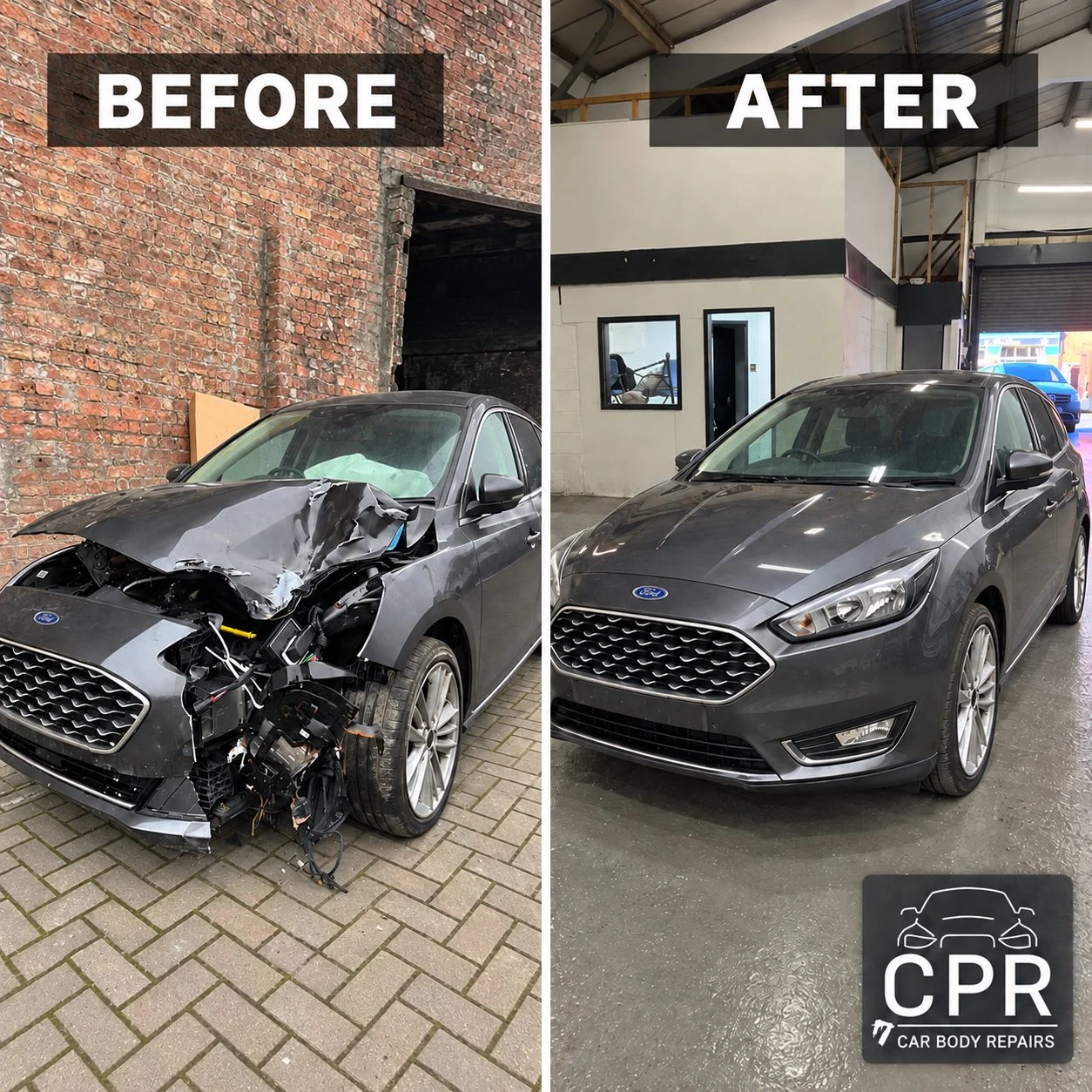
Extensive accident repair at CPR Liverpool Body Shop
Car write-off advice Liverpool drivers can use
Liverpool motorists face the same national insurance and salvage rules as drivers elsewhere in the UK, but using an experienced local repairer can make the practical side easier. A nearby inspection allows the damage to be considered in context rather than relying entirely on a few telephone photographs.
At CPR Car Body Repairs Liverpool, the purpose of an assessment is not to promise that every written-off vehicle should be repaired. It is to help establish what can be seen, what may require dismantling, which repair processes are likely to be involved and where further specialist investigation may be necessary.
An honest assessment may conclude that repair is viable. It may also show that the parts, labour, hidden-damage risk or future value make the project unsuitable. Both conclusions are useful when reached before the owner commits money.
For general information about collision bodywork, visit CPR’s Liverpool accident-repair service page. If the insurer is not involved or you are considering a privately funded repair, CPR can also advise on professional car body repairs in Liverpool after inspecting the vehicle.

Bumper Accident Repair at CPR Liverpool
Frequently asked questions
Can an insurer write off a car that still drives?
Yes. The ability to start or move does not determine whether the vehicle is economical or safe to repair. A total-loss decision may be based on market value, estimated claim cost, hidden-damage risk and salvage value. A driveable car may still have serious faults, so do not use it until roadworthiness is clear.
Is a written-off car always badly damaged?
No. Some older or lower-value cars are written off after moderate damage because professional repair costs are high relative to market value. Other write-offs are severely damaged. The category and detailed assessment matter more than appearance alone.
What is an economic write-off?
It is a vehicle the insurer considers uneconomical to repair within the claim, even though repair may be technically possible. The insurer compares the likely overall claim cost with the vehicle’s pre-accident value and other relevant factors.
Can a Category N car go back on the road?
Yes, provided it is properly repaired, roadworthy, insured, taxed and has a valid MOT where required. Category N does not mean the damage is trivial; important mechanical, electrical or safety-related components may still be affected.
Can a Category S car go back on the road?
Yes, after a suitable structural repair and once it is roadworthy and meets the normal legal requirements. Evidence of the damage and repair is especially important for Category S vehicles.
Can Category A or Category B cars be repaired for road use?
No. Category A vehicles must be destroyed completely. Category B vehicles may have certain parts recovered through the proper dismantling route, but the vehicle itself cannot return to the road.
Can I refuse a write-off decision?
You can question the assessment, valuation or claim handling and provide evidence. However, the insurer handles the claim according to the policy and its assessment. If you disagree, ask for a written explanation and use the insurer’s complaints process. Eligible unresolved complaints may be taken to the Financial Ombudsman Service.
Can I buy my written-off car back?
You may be able to retain a Category S or Category N car if the insurer agrees. The settlement will normally reflect the salvage value you are keeping. Ask for all figures and requirements in writing before deciding.
Does an insurer have to pay the price I originally paid?
Not normally. A total-loss settlement is generally based on the market value immediately before the incident, subject to the policy. That may be higher or lower than the original purchase price depending on the market and the vehicle’s age, mileage, specification and condition.
What evidence helps challenge a low valuation?
Accurate vehicle details, service history, pre-accident photographs, factory-option information and a selection of genuinely comparable dealer advertisements can help. Point out factual errors first, such as the wrong derivative or mileage.
Will a repaired write-off be worth less?
Usually, write-off history affects resale value compared with an otherwise equivalent uncategorised vehicle. The size of the difference depends on the category, car, repair quality, supporting evidence and buyer demand.
Can CPR decide whether my insurer must repair the car?
No. CPR can assess body damage and provide repair information, but the insurer makes its claim decision under the policy. A professional assessment can nevertheless help the owner understand the visible damage, likely process and questions to ask.
CPR Liverpool Body Shop Team are waiting for your call 0151 909 3457
Speak to CPR Car Body Repairs Liverpool
If your vehicle has been damaged and you need a clearer understanding of the bodywork involved, CPR Car Body Repairs Liverpool can inspect the visible damage and discuss the practical repair considerations.
Send clear photographs showing the whole vehicle and close-ups of the damage, together with the registration, make and model. For significant accident damage, an in-person assessment may be needed before CPR can give reliable guidance, because photographs cannot show everything behind the outer panels.
Visit CPR at Unit 2 Blackstock Street, Liverpool, L3 6EP, call 0151 909 3457, or contact CPR for an assessment.
Do not authorise a repair until the insurer’s position, vehicle ownership, salvage category and settlement arrangements are clear. When safety, repair quality and financial reality are considered together, you can make a much better-informed decision about whether to retain, repair or replace a written-off car.
We are your local Liverpool Car Body Repair specialists:
Keeping you updated, see and follow our social media pages:
See our wonderful customer reviews:
Please see our other blogs:
Car Bumper Repair for Dummies Blog
How to keep scratch repair costs low
All you need to know about Alloy Wheel Repair & Alloy Wheel Refurbishment
What you need to know about scuff & scratch repair in Liverpool