Liverpool Alloy Corrosion: Repair Options Explained
Alloy wheels can make a huge difference to the appearance of a car, but constant exposure to moisture, road dirt, brake dust, salt and everyday driving conditions can eventually take its toll. This blog post Liverpool Alloy Corrosion: Repair Options Explained looks at why corrosion develops on alloy wheels, the warning signs to watch for and the different repair options available when the finish begins to deteriorate. What begins as a small patch of bubbling, flaking or discolouration can gradually spread if the protective finish has been compromised. At CPR Car Body Repairs in Liverpool, we regularly see alloy wheels at different stages of deterioration, and the right solution depends on the extent of the corrosion, the wheel's existing finish and its overall condition.
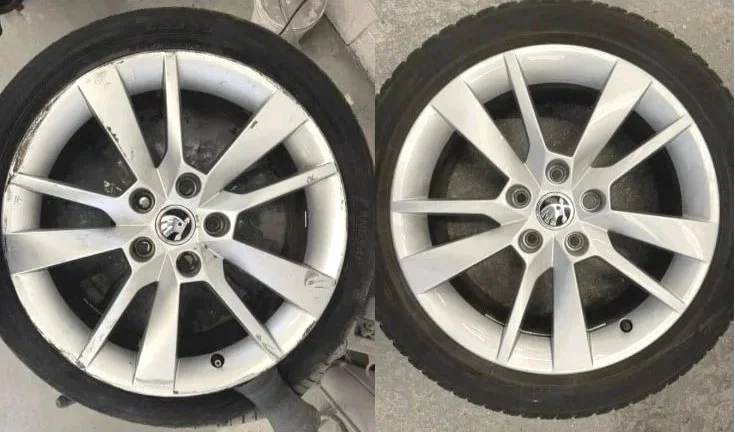
Alloy Wheel before and after repair in CPR Liverpool Body Shop
What Is Alloy Wheel Corrosion?
Although people often refer to corrosion on alloy wheels as rust, aluminium alloys do not rust in quite the same way as iron or steel.
Instead, aluminium reacts with oxygen and moisture, creating oxidation on the surface. On a protected alloy wheel, the paint, lacquer, powder coating or other finish provides a barrier between the metal and the outside environment.
Problems can begin when that protective surface becomes damaged.
A scrape against a kerb, stone chip, peeling lacquer or deterioration in an older wheel finish can expose the underlying alloy. Moisture and contaminants can then reach the metal, allowing corrosion to develop beneath or around the damaged coating.
The result can appear as white or greyish marks, bubbling beneath the finish, rough areas, discolouration, lifting paint or lacquer, or patches where the wheel's once-smooth appearance has started to deteriorate.
It is therefore worth looking beyond whether a wheel simply appears "dirty". Washing won't remove corrosion that has developed beneath a failed coating.
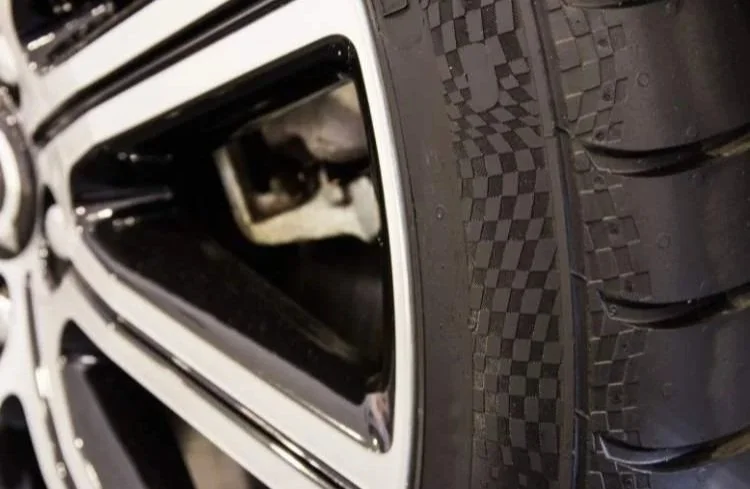
Repaired Alloy Wheel
Why Do Alloy Wheels Corrode?
Alloy wheels have a difficult job.
They sit close to the road and are constantly exposed to water, dirt, grit, brake dust and changing weather conditions. During colder weather, road salt and other contaminants can add to the problem.
A properly finished wheel is designed to withstand normal use, but the protective coating isn't indestructible.
One of the most common starting points is physical damage.
If you catch a kerb while parking, even relatively small cosmetic damage can break through the lacquer or paint. The exposed area then has less protection from moisture.
Stone chips can have a similar effect.
Tiny impacts might not initially look important, particularly on a wheel that already has a few marks, but any break in the protective surface can create an opportunity for deterioration to begin.
Age also matters. A wheel finish can become tired after years of road use, washing and exposure to the elements. Lacquer can begin to lift, paint can chip and previous repairs can deteriorate.
Corrosion is therefore not necessarily the result of one dramatic incident. It can develop gradually.
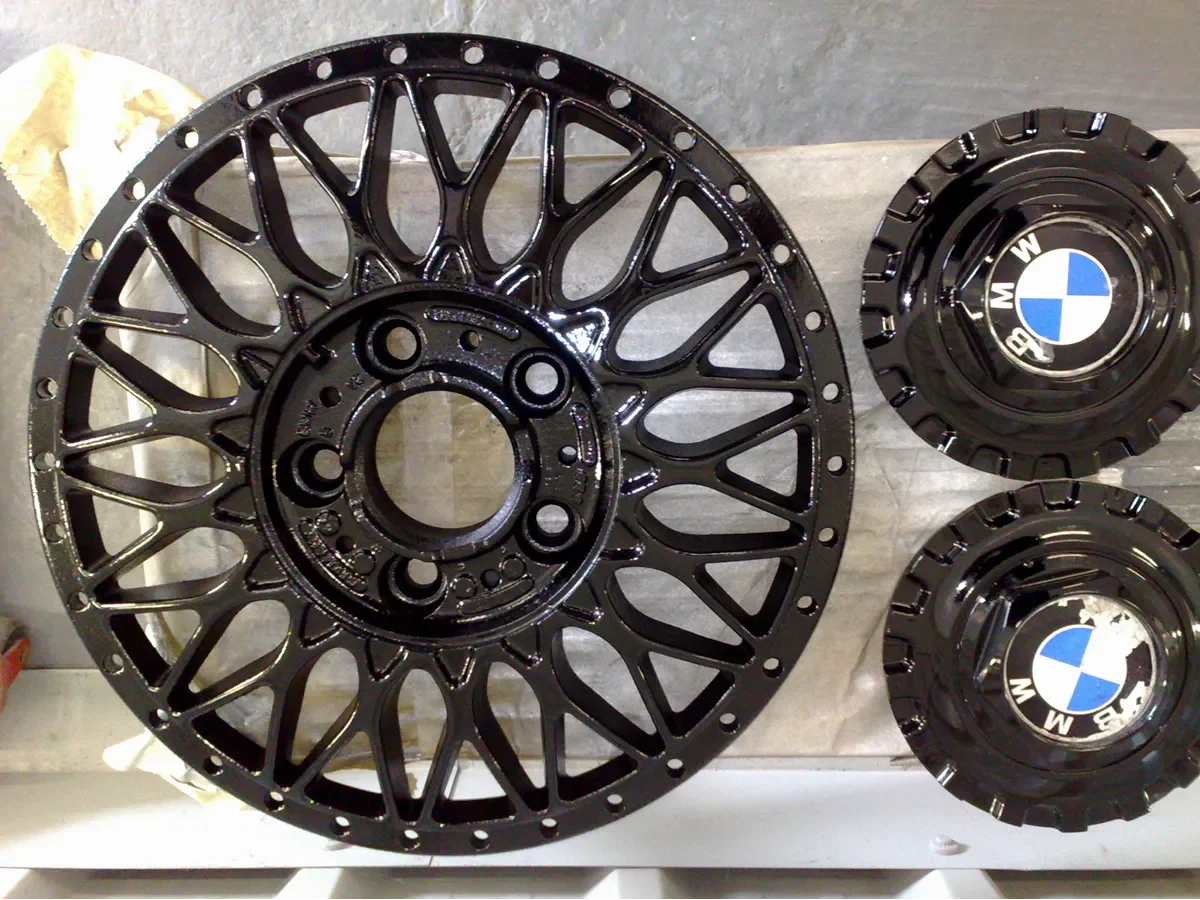
BMW alloys repaired
What Does Alloy Corrosion Look Like?
Early corrosion is sometimes easy to overlook.
You might notice a small cloudy area beneath the lacquer or a white mark around a chip. On darker wheels, the contrast may make deterioration more obvious, while on silver alloys it can initially blend into the existing finish.
As the problem develops, you may notice:
white or grey oxidation marks;
bubbling underneath the paint or lacquer;
peeling or flaking coating;
rough patches around damaged areas;
discolouration around the wheel face or rim;
deterioration spreading from a kerb mark;
patches where the protective finish has lifted.
The appearance will vary according to the type of wheel and finish.
Diamond-cut wheels, for example, have a distinctive machined face and require a different refinishing process from a conventional painted alloy.
If you're uncertain whether you're looking at ordinary dirt, damaged lacquer or corrosion, an inspection can establish what is happening beneath the surface.

Extreme Alloy damage before and after repair
Is Alloy Corrosion Only Cosmetic?
Not necessarily.
A small amount of surface deterioration may primarily affect the wheel's appearance, but it is important not to assume that every problem is purely cosmetic.
The location, depth and extent of the damage matter.
A wheel with a deteriorated surface finish is very different from a wheel that has also suffered a heavy impact, crack, significant deformation or another potentially structural problem.
This is one reason professional assessment is useful. The wheel can be examined before deciding what treatment is appropriate.
CPR's existing alloy wheel repair service covers everything from cosmetic kerb and surface damage to wheels requiring assessment after pothole or impact damage. (CPR Car Body Repairs Liverpool)
A good-looking finish should never be treated as a substitute for establishing whether a damaged wheel itself is suitable for repair.
Can Corroded Alloy Wheels Be Repaired?
Many corroded alloy wheels can be restored, but there isn't one universal repair method.
The appropriate approach depends on factors including:
how extensive the corrosion is;
whether it is localised or widespread;
the condition of the existing coating;
whether there is kerb or impact damage as well;
the wheel's original finish;
whether previous repairs have been carried out;
the overall condition of the wheel.
For a small damaged area, a more localised repair may sometimes be appropriate.
When corrosion is widespread or the existing finish is peeling and deteriorating across a larger area, a fuller refurbishment may make more sense.
This distinction is important because repair and refurbishment aren't automatically the same thing.
The objective should be to choose the treatment appropriate for the actual condition of the wheel rather than automatically carrying out more work than necessary.
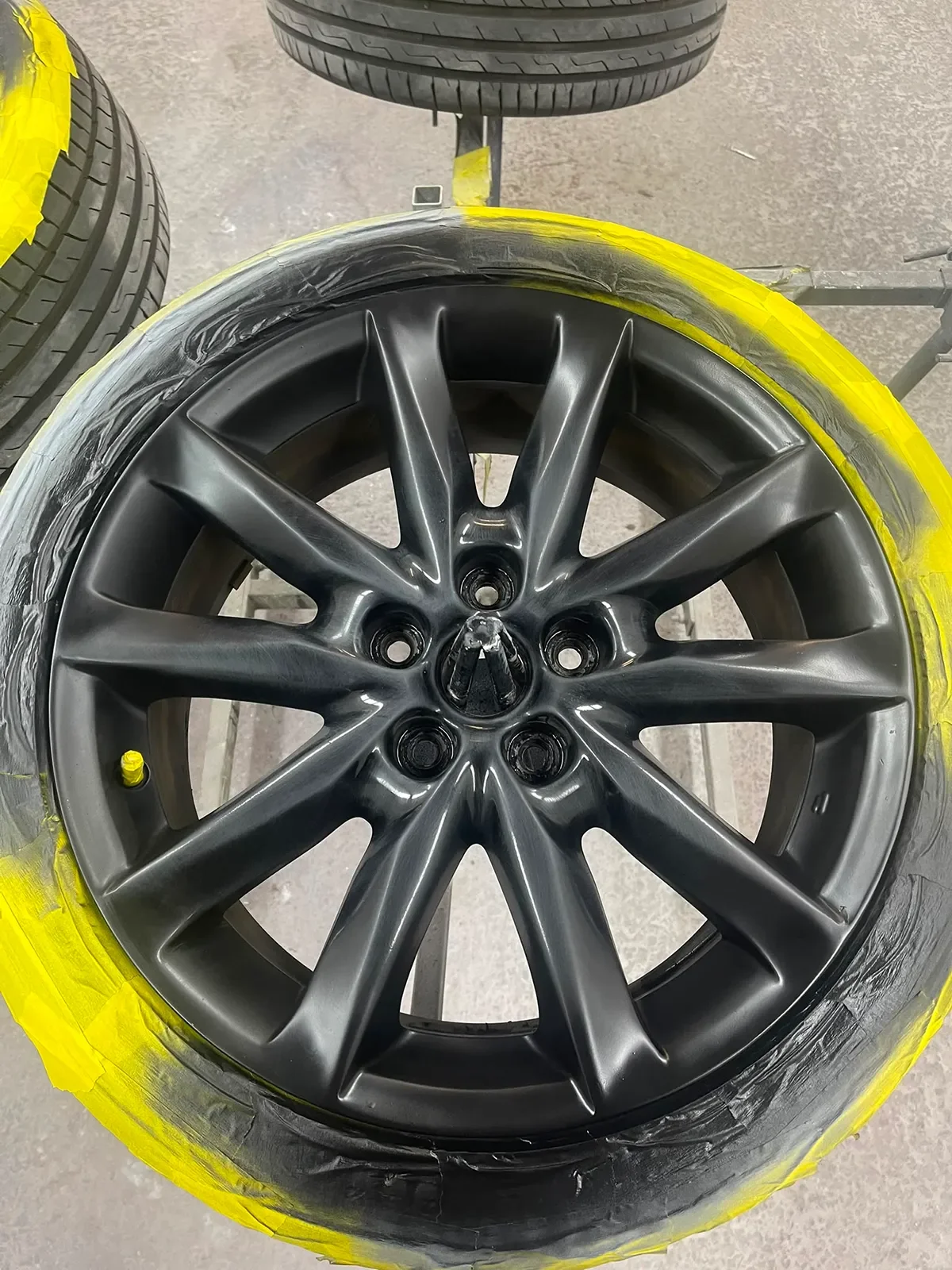
Alloy Wheel in process of Repair at CPR Liverpool Body Shop
Repair or Refurbishment?
This is one of the most common questions when alloy corrosion appears.
A repair generally makes more sense when damage is relatively contained and the remainder of the wheel and its finish are in good condition.
A full refurbishment becomes more relevant when deterioration affects a larger area, corrosion has developed in multiple places or the coating itself is extensively peeling, faded or failing.
Imagine a wheel with one kerbed section where corrosion has begun around the damaged edge. Depending on its condition, that may be approached differently from a wheel covered in lifting lacquer and widespread deterioration.
This is why photographs can be useful initially, but seeing the wheel itself may sometimes be necessary before deciding on the most suitable process.
CPR already provides separate alloy wheel repair and alloy wheel refurbishment services from its Liverpool workshop, allowing the condition of the wheel to determine the appropriate route rather than treating every wheel identically. (CPR Car Body Repairs Liverpool)

Alloy Wheel being dismantled in CPR Liverpool Body Shop
Why Preparation Matters
The visible finish is only the final part of a professional alloy restoration.
Preparation is crucial.
Simply covering corrosion with new paint does not address deterioration underneath. The affected surface needs appropriate preparation so that the new finish is applied to a properly prepared foundation.
This is particularly important where paint or lacquer has begun bubbling.
Bubbles indicate that the coating is no longer sitting correctly against the surface beneath it. Painting directly over that deterioration may temporarily disguise the appearance, but it does not provide the same result as dealing properly with the affected area first.
Professional refinishing therefore involves more than choosing a colour and applying paint.
The condition of the existing surface has to be considered before the new finish is built back up.
Corrosion Around Kerb Damage
Kerb damage and corrosion frequently appear together.
The initial scrape may remove or break the protective coating along the outer edge of the wheel. Once the alloy underneath becomes exposed, moisture and road contaminants have an easier route to the metal.
At first, the problem might look like nothing more than an ordinary kerb mark.
Over time, however, deterioration may begin around its edges.
This is one reason it can be worthwhile dealing with damaged wheel finishes before they become considerably more unsightly.
It does not mean that every tiny mark requires urgent refurbishment. It simply means that once the protective finish has been compromised, it is sensible to keep an eye on the area.
What About Peeling Lacquer?
Peeling or flaking lacquer is another common problem on ageing or damaged alloy wheels.
Lacquer forms part of the wheel's protective finish. When it starts lifting, water and contaminants may work their way underneath.
You may then see cloudy areas, white oxidation or increasingly large patches where the finish separates from the surface.
At that stage, polishing the outside isn't likely to solve deterioration underneath the coating.
Where lacquer failure is widespread, refurbishment may be more appropriate than repeatedly trying to improve individual patches.
The exact solution still depends on the wheel type and condition, which is why inspection comes first.
Diamond-Cut Alloy Corrosion
Diamond-cut alloys require particular consideration because their appearance is produced differently from that of a standard painted wheel.
Their distinctive face is created through precision machining, leaving very fine lines in the metal before a protective lacquer is applied.
When the lacquer becomes damaged, corrosion can sometimes develop underneath it and become particularly noticeable against the machined finish.
Restoring suitable diamond-cut wheels requires specialist equipment and knowledge of the finish rather than simply treating them like ordinary painted alloys.
That means the first step is identifying exactly what type of wheel and finish you have before deciding how it should be restored.
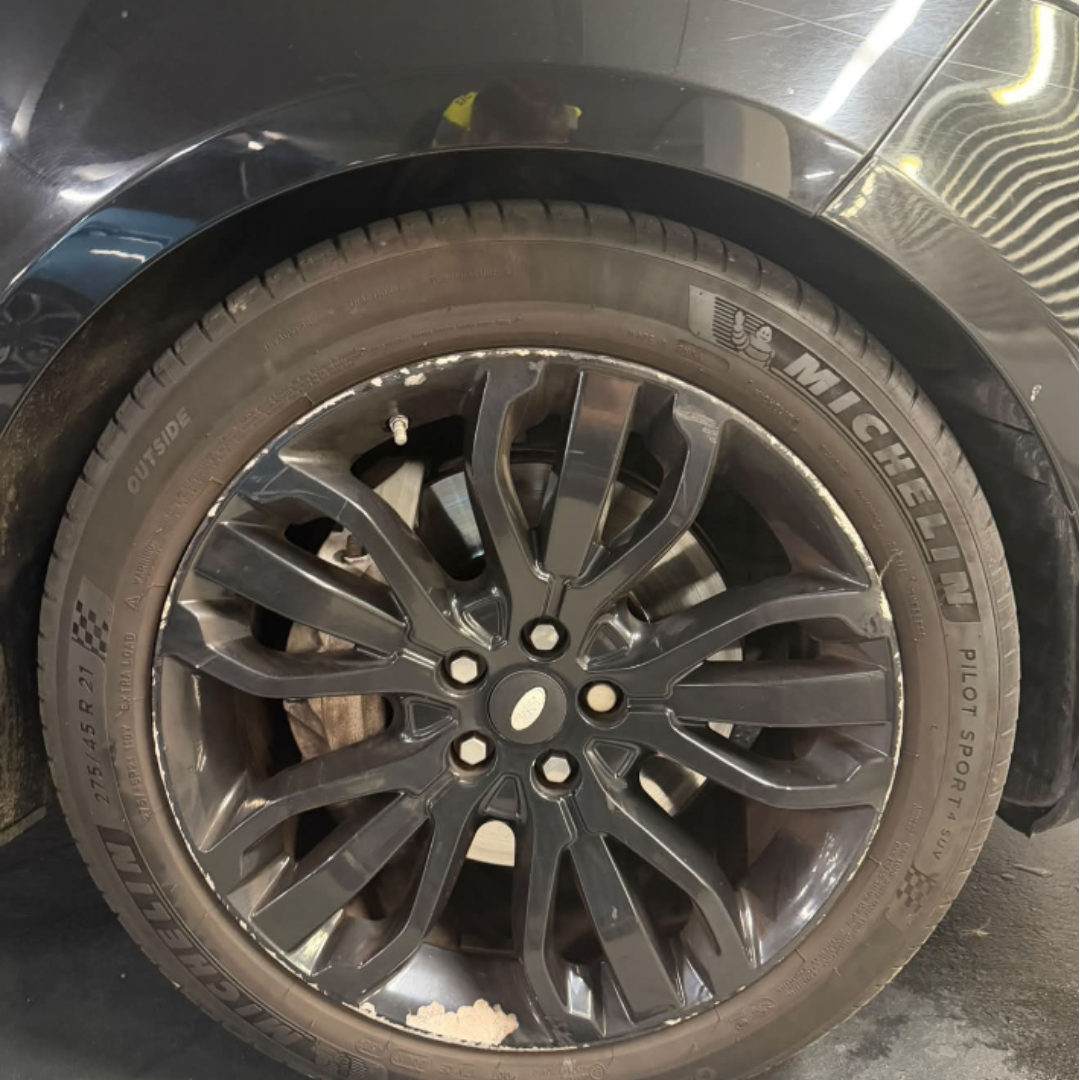
Range Rover Alloy Wheel with Peeling lacquer and damage
Can You Stop Corrosion Spreading?
Preventing further exposure is preferable to allowing damaged finishes to continue deteriorating.
Regularly cleaning your wheels helps remove road dirt, brake dust and contaminants, but cleaning alone cannot reverse corrosion that is already developing underneath a failed finish.
The useful preventative measures are straightforward.
Wash wheels regularly using appropriate products, avoid leaving heavy contamination sitting on them for long periods, and check them occasionally for chips, kerb damage, peeling lacquer or bubbling.
Be particularly aware after catching a kerb or hitting a significant pothole.
You don't need to inspect your alloys every time you drive, but noticing changes early gives you more information about how quickly an affected area is developing.
Should You Repair One Wheel or All Four?
Corrosion doesn't automatically mean every alloy on the car needs refurbishing.
Sometimes only one wheel has been damaged.
For example, one alloy may have caught a kerb while the other three remain in excellent condition. In that situation, repairing or refurbishing the affected wheel may be all that is required.
Other vehicles arrive with deterioration across an entire set.
This is more common where all four wheels are of similar age and have spent years exposed to the same road and weather conditions.
Appearance can also influence the decision. If one heavily deteriorated wheel is restored beside three similarly tired wheels, you may decide you want the complete set refreshed for consistency.
That is a personal choice rather than a reason automatically to refurbish four wheels whenever one develops corrosion.
CPR can assess individual wheels or a complete set and discuss the available options.
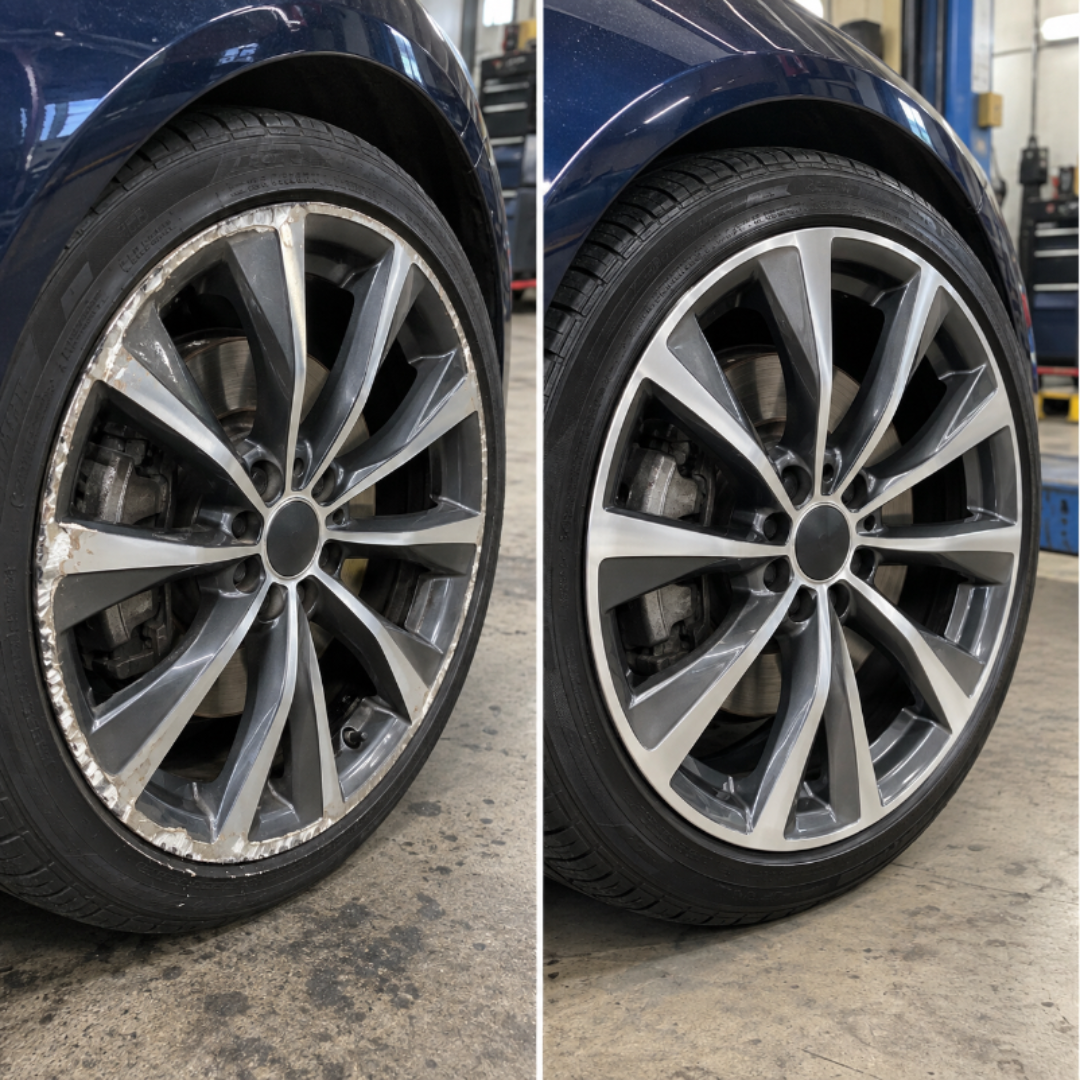
Corroded Kerbed Diamond Cut Alloy Repair at CPR Liverpool Body Shop
Does Alloy Corrosion Mean Replacement?
No.
Visible corrosion doesn't automatically mean the wheel has reached the end of its usable life.
Many cosmetic problems can be repaired or removed during an appropriate refurbishment process.
However, neither should every damaged wheel automatically be declared repairable.
If a wheel has also suffered significant impact damage, cracking, severe deformation or another issue affecting its integrity, its condition needs to be properly assessed.
The important distinction is between surface deterioration and more serious wheel damage.
A professional inspection helps establish which you're dealing with.
Can You Repair Corroded Alloys Yourself?
DIY alloy wheel repair kits are widely available, and some motorists are comfortable tackling minor cosmetic jobs themselves.
The difficulty with corrosion is that what you see on the surface doesn't always show how far deterioration extends beneath the existing coating.
Achieving a durable, even finish also relies heavily on preparation.
Poor preparation can leave visible edges, uneven surfaces or new paint sitting over deterioration that has not been properly dealt with.
There is also a major difference between improving the appearance of a small cosmetic mark and assessing a wheel that may have more substantial damage.
If you're unsure about the condition of the wheel, professional assessment removes that guesswork.
Does Corrosion Affect Wheel Colour Choice?
If your wheels require refurbishment, you may also have the opportunity to consider their finished appearance.
Some owners simply want the original factory-style look restored. Others use refurbishment as an opportunity to change the wheel colour.
Silver remains a traditional choice, while greys and darker finishes can change the appearance of a vehicle considerably.
The important thing is that the cosmetic decision comes after the wheel and existing finish have been assessed.
Changing colour won't solve underlying deterioration unless the preparation and restoration work beneath the new finish is completed correctly.
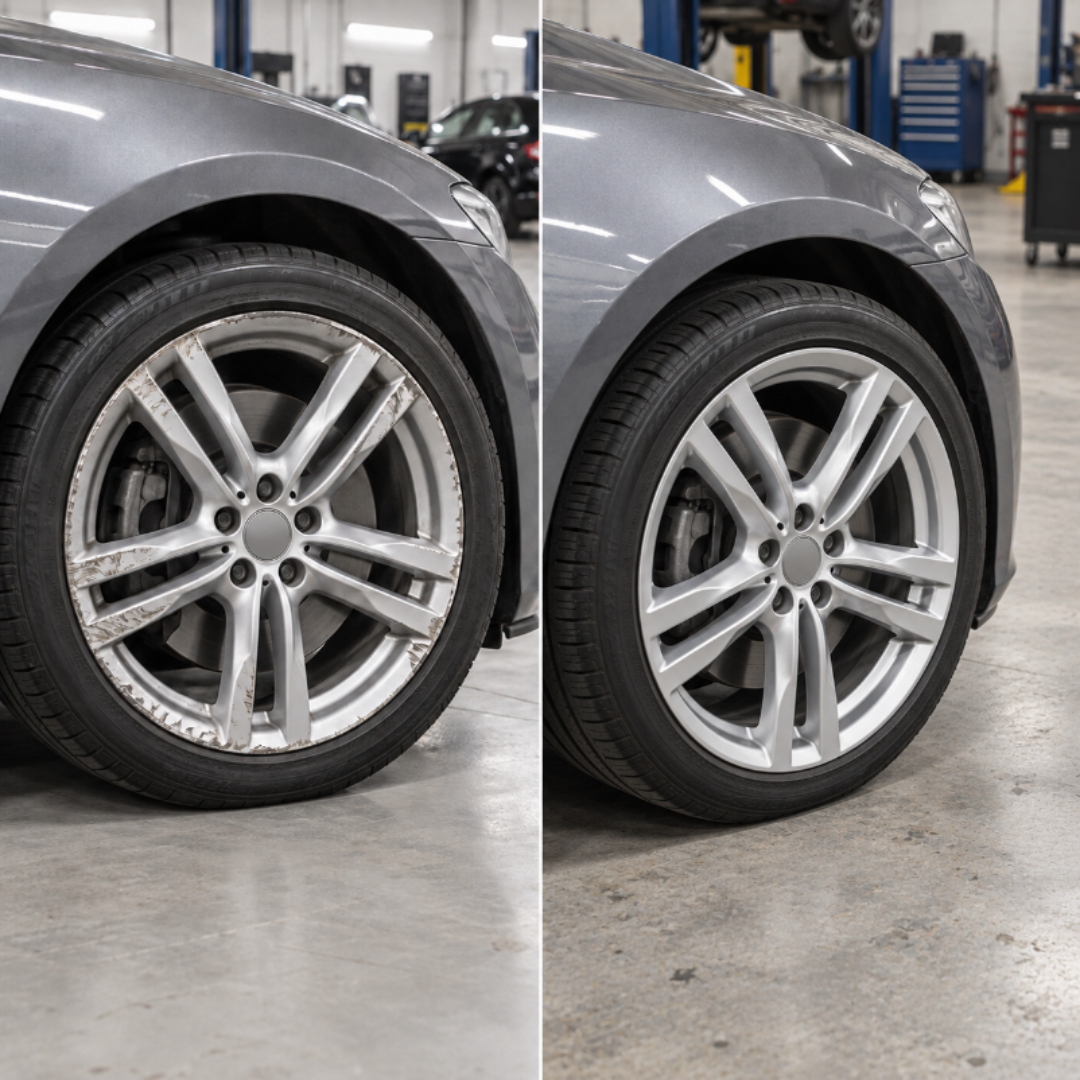
Alloy Wheel Scrapes before and after repair in CPR Liverpool Body Shop
What If Corrosion Keeps Returning?
If deterioration repeatedly appears in the same area, it is worth looking at why.
Previous cosmetic repairs, ongoing coating failure or damage that continues to expose the surface may all contribute.
This is another reason proper preparation is so important.
A quick cosmetic improvement and a full professional refurbishment are not necessarily equivalent treatments.
If you're buying a used vehicle and notice recently painted alloys, it can also be worth examining them carefully. Fresh-looking paint isn't necessarily a problem, but bubbling, uneven finishes or early peeling may suggest the underlying preparation wasn't ideal.
A professional assessment can help establish what treatment the wheel now requires.
How Quickly Should Corrosion Be Repaired?
There isn't a single timescale that applies to every wheel.
A small cosmetic patch on an otherwise sound wheel is different from extensive deterioration across the face and rim.
What is sensible is not to ignore a visibly worsening problem indefinitely.
If a patch is expanding, lacquer is lifting or the finish is breaking away, having it assessed allows you to understand the available options before deterioration becomes more extensive.
And if corrosion appears alongside cracking, deformation, tyre problems or damage following a significant impact, don't treat it simply as a cosmetic issue.
Have the wheel properly inspected.
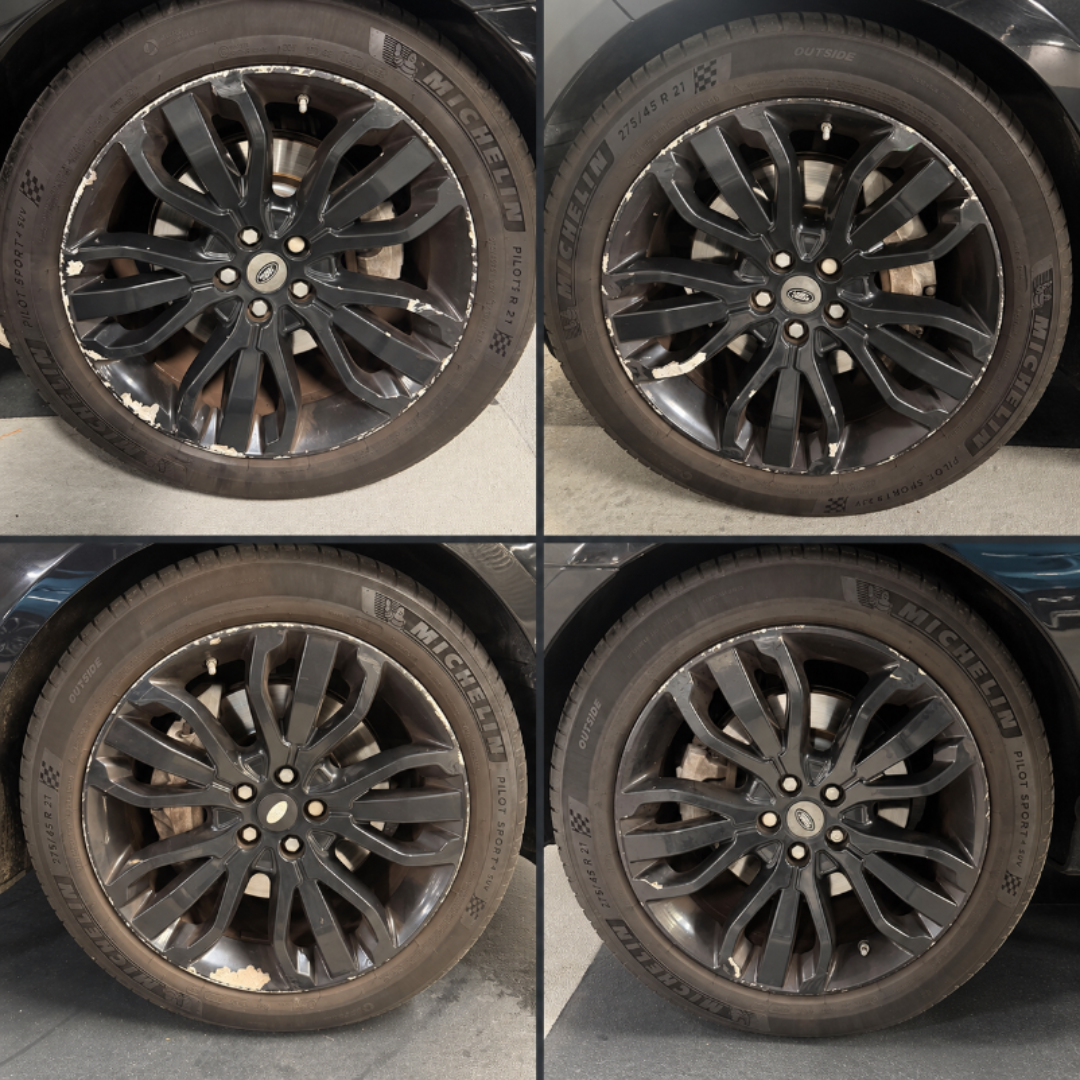
Various types of alloy damage
Alloy Corrosion on Older Cars
Older vehicles often develop wheel deterioration simply because their alloys have had many more years of exposure.
Previous owners may also have repaired or refinished the wheels at different times, meaning the condition of the coating can vary from wheel to wheel.
That doesn't mean an older set automatically needs replacing.
Refurbishing tired alloys can make a striking visual difference to an otherwise well-maintained vehicle, particularly where the bodywork is in good condition but the wheels make the car look older than it is.
For classic or cherished vehicles, retaining the right wheel style and finish may also be an important part of preserving the car's overall appearance.
Assessment is particularly useful when you don't know the history of previous wheel repairs.
Alloy Corrosion Before Selling a Car
Wheels are one of the first exterior features potential buyers notice.
A clean vehicle with heavily kerbed, peeling or corroded alloys can look less cared for than the rest of the car actually is.
That doesn't mean alloy refurbishment will automatically increase a vehicle's value by more than it costs. Vehicle values depend on numerous factors.
But visually tired wheels can affect the overall first impression.
If you're preparing a vehicle for sale, it can therefore be worth considering the alloys alongside scratches, dents, paint damage and other cosmetic issues.
Rather than treating every imperfection automatically, look at the vehicle as a whole and decide which improvements are worthwhile for you.
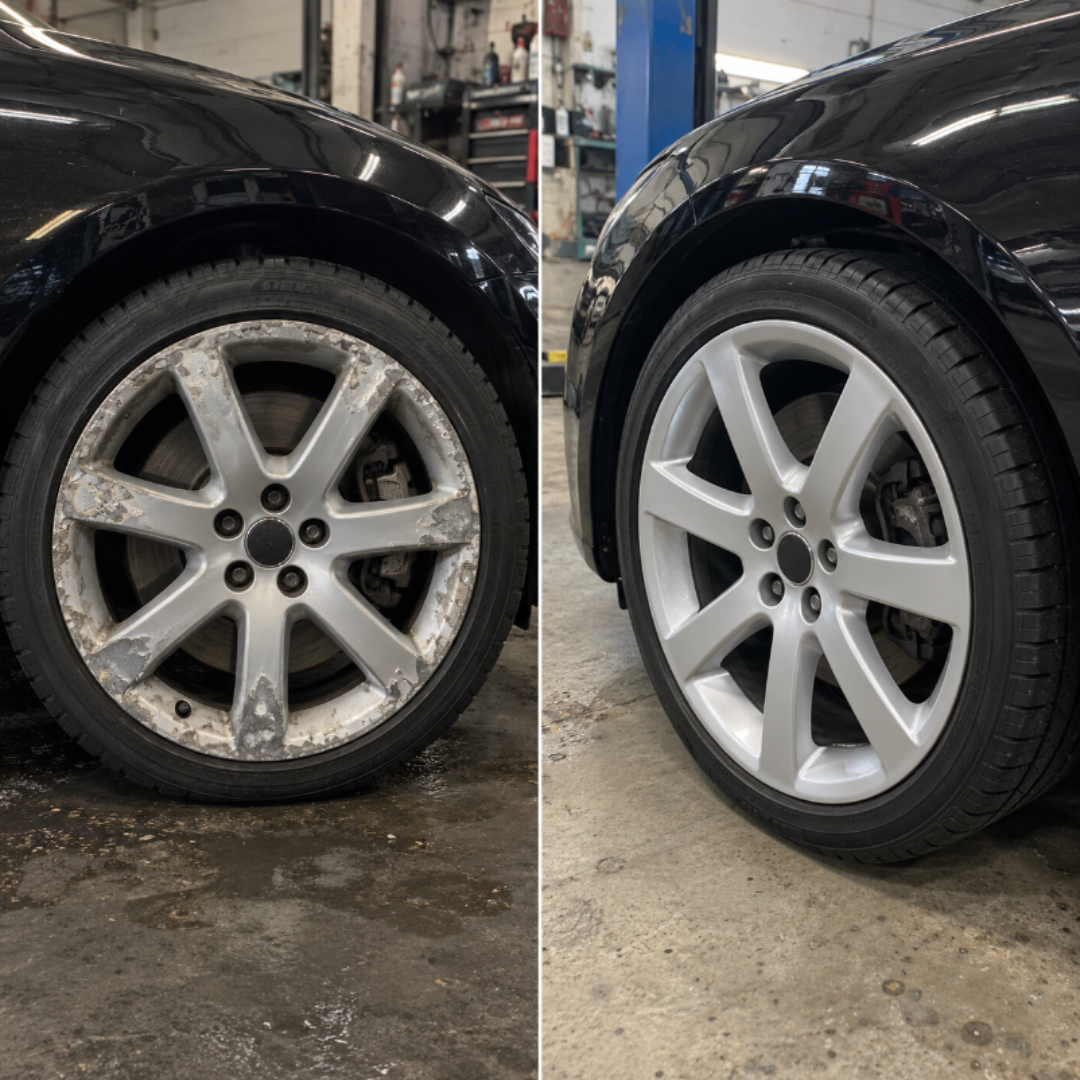
Corroded Alloys on Lease Vehicles
If you're approaching the end of a lease, inspect the wheels before returning the vehicle.
Kerb damage and deterioration are common because wheels naturally take considerable wear during everyday use.
Whether you need to take action will depend on the condition of the wheels and the terms or return standards applicable to your particular vehicle.
Don't assume either that every mark must be repaired or that every type of wheel damage will be accepted.
Check the relevant return requirements and then decide whether professional repair is appropriate.
This can prevent rushed decisions immediately before the vehicle is due back.
Why Alloy Wheels Need the Right Treatment
The phrase "alloy wheel repair" covers a wide range of situations.
One customer may have a superficial scrape on an otherwise pristine painted wheel. Another may have four ageing alloys with widespread peeling lacquer. A third may have corrosion beneath the lacquer of a diamond-cut wheel.
Calling all three problems "damaged alloys" doesn't mean they should receive identical treatment.
The wheel type, existing finish and extent of deterioration all influence the appropriate process.
That is why assessment is the starting point.
Corroded Alloy Repair in CPR Liverpool Body Shop
Professional Alloy Assessment in Liverpool
CPR Car Body Repairs provides alloy wheel services from its body shop at Unit 2 Blackstock Street, Liverpool, L3 6EP.
The business works with painted, powder-coated and diamond-cut alloy wheels and has its own diamond-cutting equipment for suitable wheels. CPR's current alloy services cover corrosion alongside kerb damage, scratches, scuffs, peeling finishes and other forms of wheel deterioration. (CPR Car Body Repairs Liverpool)
If you're unsure whether your wheel requires a smaller repair or more extensive refurbishment, the condition of the wheel can be assessed first.
That distinction matters because the aim shouldn't be to sell the largest job. It should be to establish what the wheel actually needs.
Repairing Alloy Corrosion at CPR
When you bring a corroded alloy to CPR, the first consideration is its condition.
Where did the corrosion begin? Is it restricted to one area? Has the lacquer started peeling elsewhere? Is there kerb damage? What type of finish does the wheel have? Is the problem cosmetic, or is there additional damage that needs assessing?
Those questions help determine the appropriate next step.
For localised damage, an alloy wheel repair may be suitable.
For wheels with more widespread deterioration, failed coatings or an overall tired finish, alloy wheel refurbishment may be the better route.
And for suitable diamond-cut alloys, the required process is different again.
This approach avoids assuming that every corroded wheel needs exactly the same treatment.
How to Get Your Alloys Checked
If you've noticed white marks, bubbling, peeling lacquer, corrosion around kerb damage or a generally deteriorating wheel finish, you can bring the vehicle to CPR Car Body Repairs in Liverpool for an assessment.
You can also send photographs initially if you want the team to take a look at the visible damage.
CPR is based at:
Unit 2 Blackstock Street
Liverpool
L3 6EP
Telephone: 0151 909 3457
WhatsApp: 07802 348096
Email: info@cprcarbodyrepairliverpool.co.uk
You don't need an appointment to call into CPR for a quotation.
The Bottom Line on Alloy Corrosion
Alloy corrosion doesn't automatically mean replacing a wheel, and it doesn't automatically mean carrying out a complete refurbishment either.
The right approach depends on where the corrosion is located, how extensive it has become, the condition of the existing finish and whether any other damage is present.
Small areas of deterioration may require a different approach from wheels with widespread peeling, bubbling or oxidation. Diamond-cut wheels also need consideration appropriate to their specialist finish.
The most important thing is to deal with the cause and condition beneath the visible damage, rather than simply covering deterioration with a cosmetic finish.
If your alloys are showing signs of corrosion, CPR Car Body Repairs can inspect them at its Liverpool workshop and explain whether repair or refurbishment is the appropriate option.
That gives you a clear starting point for restoring the wheels while preserving the existing Alloy Wheel Repair Liverpool and Alloy Wheel Refurbishment Liverpool service pages as the main places to find detailed information about those services.
In addition to the above services, we also provide are as follows: