LIVERPOOL ALLOY WHEEL REPAIR & REFURBISHMENT
If you're a car owner, keeping your alloy wheels looking their best matters — not just for how your car looks, but for its resale value too. Unfortunately, over time your alloys can become scuffed, scratched, and dull, especially here in Liverpool where road salt and kerb-heavy city centre parking take their toll. This complete guide covers everything you need to know about Alloy wheel repair and refurbishment in Liverpool — what alloys are, the damage they commonly suffer, diamond cut specifics, genuine local pricing, and how to keep them looking sharp for years to come.

Alloy Refurbishment in Liverpool Body Shop
What Are Alloy Wheels?
Alloy wheels are made from a mixture of metals, typically aluminium and magnesium — sometimes with copper, zinc, or titanium added for extra strength. They're usually lighter and stronger than steel wheels, improving fuel economy, braking performance (better heat dissipation keeps brakes cooler), and handling. They can be cast (moulded, the more common and cheaper option) or forged (hammered into shape, generally more durable and corrosion-resistant, but pricier).
Why Alloys Make Your Car Look Smarter
Alloys add a touch of luxury and sophistication, often found on high-end vehicles as a signal of status. They come in a huge range of colours and finishes to match your car's aesthetic — Diamond Cut Alloys in particular make a car stand out even further.
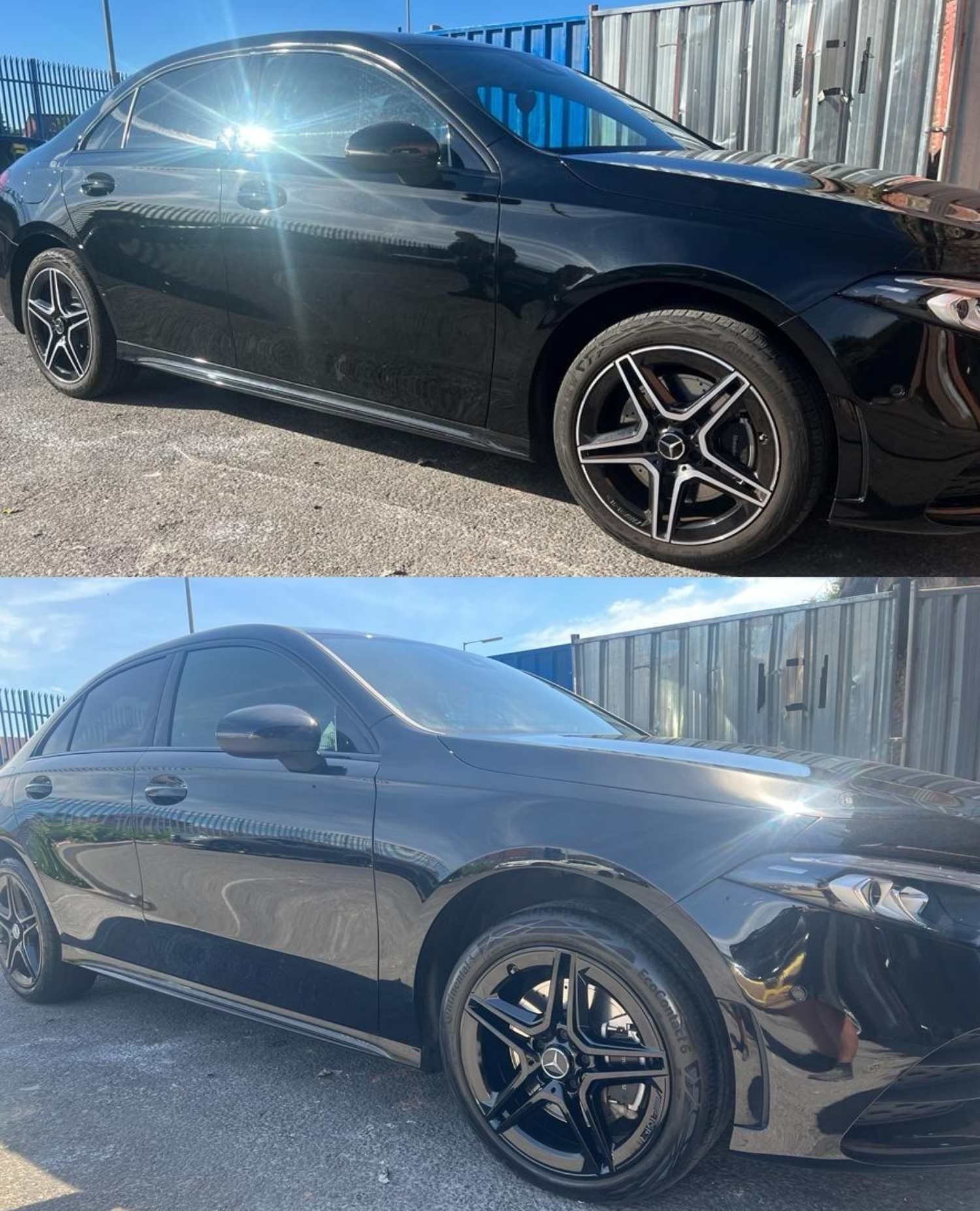
Mercedes-Benz alloy wheel refurbishment — Liverpool
Types of Alloy Wheel Finish
Standard painted — the most common and cheapest option, but the paint job is more prone to chipping and flaking, making it more susceptible to kerb rash
Powder-coated — a thicker, more durable coating that resists chipping better, though still vulnerable to kerb rash and scuffs
Diamond cut — a precision-machined, reflective finish that looks stunning but is the most susceptible to dulling and visible damage over time
Chromed — a layer of chrome plating for a distinctive shine

Ford Alloy Rim Refurbishment Liverpool
Types of Alloy Wheel Damage
Damage generally falls into two categories:
Cosmetic damage — usually surface-level (scuffs, scratches, chipped paint) and can often be resolved with repair or refurbishment.
Structural damage — more serious, including bends, cracks, or exposed metal, and always requires a professional body shop rather than DIY attention, since it can affect vehicle safety.
10 signs your wheels need attention:
Dull or lifeless appearance (usually a dirt/grime build-up)
Kerb rash or scuffs
Peeling or flaking paint
Visible rust
Cracks or damage requiring welding
Mismatched or uneven colour
Missing or loose bolts
Noticeable vibration while driving
Tyres losing air pressure
Increased effort turning the steering wheel

Honda Alloy Rim Refurbishment Liverpool
Common Causes of Alloy Wheel Damage
Kerb rash — scraping against a kerb while parking, especially common in tight Liverpool city centre spaces
Pothole damage — hitting a pothole can bend or misshape a wheel
General impacts — road debris causing cracks, scratches, or chips
Corrosion — particularly an issue in Liverpool given regular road salt use through wetter months, which weakens the wheel's structure and can even cause tyres to lose air pressure

BMW Alloy Wheel Colour Change Liverpool
Types of Alloy Wheel Finish
Standard painted — the most common and cheapest option, but the paint job is more prone to chipping and flaking, making it more susceptible to kerb rash
Powder-coated — a thicker, more durable coating that resists chipping better, though still vulnerable to kerb rash and scuffs
Diamond cut — a precision-machined, reflective finish that looks stunning but is the most susceptible to dulling and visible damage over time
Chromed — a layer of chrome plating for a distinctive shine

Peugeot Alloy Rim Refurbishment Liverpool
on to detail.

Audi Diamond Cut Alloy Rim Refurbishment Liverpool
10 signs your wheels need attention:
Dull or lifeless appearance (usually a dirt/grime build-up)
Kerb rash or scuffs
Peeling or flaking paint
Visible rust
Cracks or damage requiring welding
Mismatched or uneven colour
Missing or loose bolts
Noticeable vibration while driving
Tyres losing air pressure
Increased effort turning the steering wheel
Alloy Wheel Repair vs Refurbishment vs Replacement
Alloy wheel repair typically addresses cosmetic damage — kerb rash, scratches, or minor chips (repairing kerb rash and scratches, restoring cosmetic finish) — restoring the wheel without a full strip-down.
Alloy wheel refurbishment is more comprehensive: stripping the wheel entirely, repairing any damage, sanding to a smooth surface, applying primer, then top-quality automotive paint and a protective lacquer, before reassembly and balancing. The full process typically takes 2-3 hours per wheel (longer for Diamond Cut Alloys). It's significantly cheaper than buying new wheels.
Replacement becomes the sensible option when damage is severe — deep cracks or structural impairment that could compromise safety — or when repair costs approach or exceed the price of new wheels.
Diamond Cut Alloy Wheels Explained
Diamond cut is a specific finish involving machining away a thin layer of clear lacquer and colour coating using a diamond-tipped tool, before precision polishing to a high shine. This is usually only carried out on factory-finished alloys — aftermarket and previously refurbished wheels often can't be diamond cut.

Liverpool Alloy Wheel Refurbishment
The professional repair process involves four stages:
Preparation — the wheel is removed and thoroughly cleaned of brake dust, grime, and residue
Damage assessment — technicians use specialised tools to inspect the precise depth of scratches, dents, or scuffs
Re-machining — state-of-the-art lathes skim off the damaged layer with precision to reveal a fresh layer beneath
Protection — a clear, high-quality lacquer or sealant is applied to guard the freshly machined surface
Benefits of diamond cut alloys: high durability, a bright shiny finish, and enhanced appearance that can boost your car's value.
Drawbacks: typically more expensive than other finishes, and require more careful maintenance since they're more prone to staining and visible scratching. Each diamond cut repeat removes another thin layer, so repeated cutting requires increasingly careful upkeep.
Diamond cut vs powder coating: powder coating applies a powder-based paint cured under high heat, offering a wide range of colours, strong durability, and a smooth even finish — and unlike diamond cutting, it can be applied to both factory and aftermarket wheels.
Why choose a professional over DIY for diamond cut repair: precision (only the affected area is re-machined), time efficiency (hours vs a full weekend DIY attempt), and guaranteed results. DIY attempts often cause further damage and can void any warranty in place.
Alloy Wheel Repair Cost in Liverpool
Pricing varies by damage type, wheel size, and finish. As a general guide for Liverpool body shops:
Standard repair or refurbishment: £35-£90 + VAT per wheel at the lower end, commonly £50-£120 + VAT per wheel overall
Diamond cut repair: sits at the higher end of that range (£100 -£120+ VAT), due to the more intricate, specialist work involved
Prices in London and other major cities tend to run noticeably higher than Liverpool
Always ask for a per-wheel breakdown rather than a vague total, and confirm whether VAT is included.
Kerbed Alloy Wheels
One of the most common issues Liverpool drivers face, kerbed alloys result from scraping against kerbs while parking — ranging from light cosmetic scratches to more severe gauges affecting the wheel's structure. Repairing this promptly improves your car's appearance and helps maintain the wheel's value; specialist repair services can match the original finish effectively.

Liverpool Alloy Wheel Repairs
Repair or Replace? Choosing the Best Option
Cosmetic-only damage (scuffs, light kerb rash) → repair is almost always the right call, and the cheapest
Widespread cosmetic wear across multiple wheels → refurbishment offers better value than repairing each mark individually
Structural damage (cracks, significant bends) → needs professional assessment; a bent or cracked alloy can affect tyre wear and vehicle safety
Wheels beyond reasonable repair, or where repair cost approaches replacement cost → replacement becomes the sensible option
How to Keep Alloy Wheels Looking New
Wash regularly with soap and water, using a wheel brush or old toothbrush for built-up dirt and brake dust
Polish with a specialist alloy wheel polish to restore shine
Wax regularly to create a protective barrier against the elements and prevent corrosion
Avoid harsh chemicals or abrasive materials that can dull the finish
Inspect regularly for early signs of damage
Avoid potholes and speed bumps where possible, and park under cover when you can
Store wheels in a cool, dry place if removed seasonally
DIY vs Professional Alloy Wheel Repair
For light cleaning, polishing, or a small touch-up pen fix on a minor scratch, DIY is a reasonable approach — you'll need a wheel cleaner spray, soft cloth, fine sandpaper, wheel repair paint, and a touch-up pen, applying thin coats and allowing at least 24 hours drying time. For anything beyond surface cleaning, professional repair is the better route — particularly for Diamond Cut Alloys, cracks (which require welding by a qualified technician for safety), or structural damage, where DIY attempts risk making things worse and costing more overall.
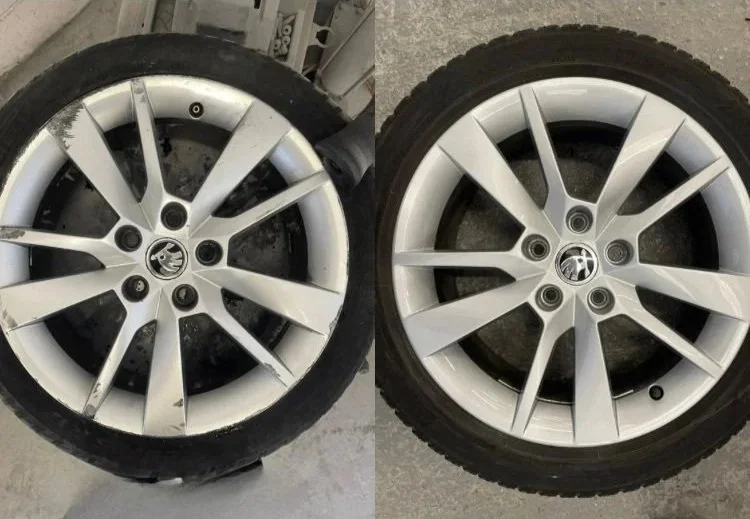
Standard of Alloy Wheel Repair in CPR Liverpool Body Shop
Mobile Repair vs Body Shop Repair
Mobile repairers come to you and can be slightly cheaper, but their outdoor working conditions mean the finish generally isn't as good as a body shop, and they're weather-dependent.
Body shop repairs require dropping your car off, but with access to better equipment and a larger team of qualified technicians, you can expect a more professional, guaranteed finish — worth the slightly higher price for most repairs, especially anything beyond light cosmetic marks.
Frequently Asked Questions
How much does alloy wheel refurbishment cost in Liverpool?
Typically £35-£120 + VAT per wheel depending on damage and finish, with diamond cut repairs at the higher end.
Can all alloy wheels be diamond cut?
No — diamond cutting is generally only possible on factory-finished alloys, not aftermarket or previously refurbished wheels.
Will refurbishment increase my car's resale value?
Yes — well-maintained alloys can add hundreds, sometimes over a thousand pounds, to a car's resale value, and are one of the most visible signals of how well a car has been cared for.
How long does alloy wheel refurbishment take?
Around 2-3 hours per wheel, though Diamond Cut Alloys may take longer.
Should I repair or refurbish kerbed alloys myself?
For minor cosmetic marks, careful DIY cleaning or a touch-up pen is fine. For anything involving cracks, deep scratches, or diamond cut finishes, professional repair avoids the risk of making the damage worse.
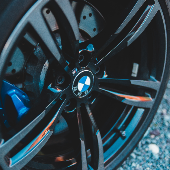
Alloy Repairs in CPR Liverpool Body Shop
Why Choose CPR Car Body Repairs Liverpool
CPR Car Body Repairs is a trusted, reliable Liverpool body shop with decades of experience in alloy wheel repair and refurbishment, repairing every alloy type — painted, chromed, powder-coated, and Diamond Cut. Whether you're dealing with kerb rash, a cracked diamond cut finish, or full structural damage, our experienced technicians will assess your wheels and recommend the right option for your budget, backed by a 100% guarantee — always with an honest, upfront quote.
Get directions to CPR Car Body Repairs on Google Maps
Call us today on 0151 909 3457, or email info@cprcarbodyrepairliverpool.co.uk for your free, no-obligation quote.
They provide the below services: