Liverpool Tyre Safety and care Guide
Four small patches of rubber, each roughly the size of your palm. That's all that connects your car to the road, yet tyres are one of the easiest parts of a vehicle to overlook until something goes wrong.
A slow puncture on the school run. A tyre warning light before work. A blowout on the M62. Or discovering that your tread is below the legal limit when you hadn't even realised there was a problem.
Looking after your tyres doesn't require specialist mechanical knowledge, but knowing what to check can help you spot problems earlier and keep your vehicle safer on the road.
In this Liverpool Tyre Safety & Care Guide, we'll look at tyre pressures, tread depth, uneven wear, punctures, sidewall damage and the warning signs that shouldn't be ignored. We'll also explain how often you should check your tyres and when it's time to have them professionally inspected or replaced.
Whether most of your driving is around Liverpool or you're regularly travelling further afield, a few simple tyre checks can make a significant difference to safety, tyre life and the way your car performs.

Tyre being fitted at CPR Liverpool Body Shop
Why Tyres Deserve More Attention Than They Get
Everything else about your car — the engine, the brakes, the bodywork — gets noticed the moment something's wrong. Tyres are quieter about it. A slowly dropping pressure, a gradually wearing tread, a small sidewall bulge — none of these announce themselves the way a warning light does, which is exactly why they catch people out.

Van tyre being replaced at Liverpool Body Shop
Tyre Pressure: The Check Most People Skip
Checking your tyre pressure is simple, cheap, and takes less than five minutes — yet it's the single most neglected part of tyre care. Incorrect pressure leads to uneven wear, reduced grip, and in more serious cases, tyre failure. Check monthly, and always before a longer trip. Your correct pressure is usually printed on a sticker inside the driver's door or in your owner's manual — never guess it.
What under-inflation actually does: increases rolling resistance (costing you more in fuel), wears the outer edges of the tread faster, and generates excess heat that can lead to sudden tyre failure at speed.
What over-inflation actually does: wears the centre of the tread faster and reduces the tyre's contact with the road, meaning less grip exactly when you need it.
Don't forget your spare. If your car carries one, it's easy to forget entirely — check it at the same time as your other four, and consider keeping it slightly over-inflated (around 5psi above the recommended pressure), since a spare that's sat unused for months will have lost some pressure naturally.
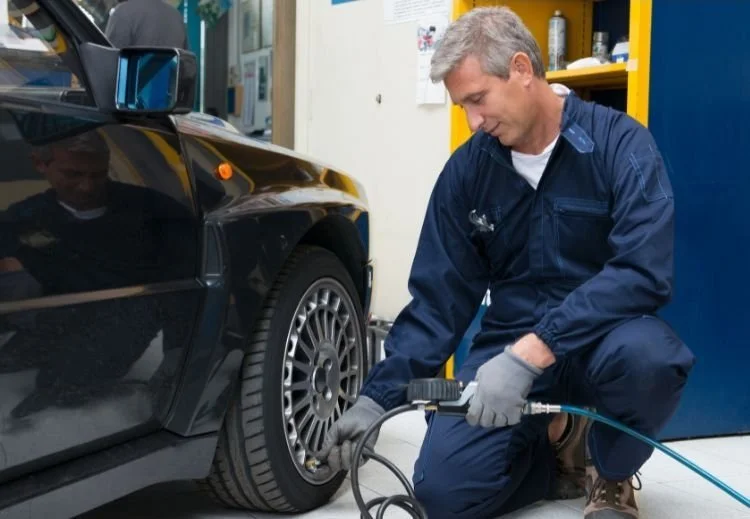
Correct tyre pressures help improve safety and tyre life
Tread Depth: The Line Between Legal and Illegal
The legal minimum tread depth in the UK is 1.6mm across the central three-quarters of the tyre, all the way around. Fall below that and you're looking at up to £2,500 in fines and 3 penalty points, per tyre — meaning a set of four illegal tyres could theoretically cost you £10,000 and a driving ban. Beyond the legal risk, worn tyres significantly affect your braking distance and handling, especially in wet weather — and Liverpool gets plenty of that.
How to check it yourself: most modern tyres have built-in tread wear indicators — small raised bars within the grooves. If the tread is level with these bars, it's time to replace. A 20p coin works too: insert it into the main groove, and if the outer rim of the coin is visible, your tread is below the legal limit.
Worth knowing: tyres start losing optimum performance well before they hit the legal minimum. Treating 1.6mm as the point to start thinking about replacement, rather than the point you must replace, gives you a genuine safety margin rather than cutting it as fine as the law technically allows.
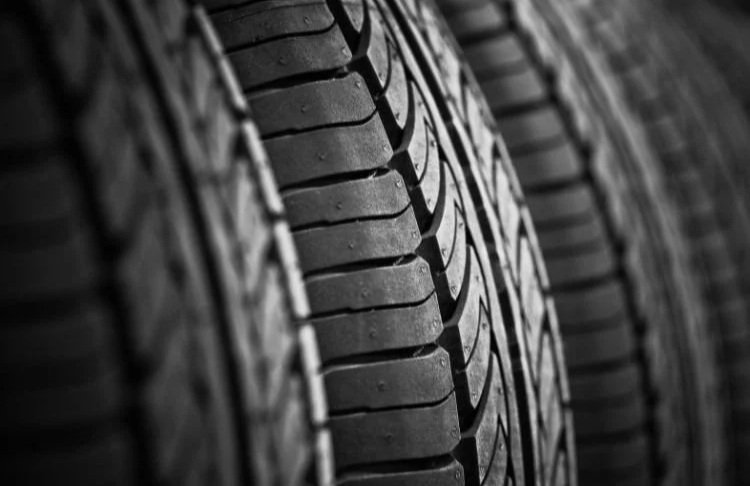
Checking tyre tread depth and wear for safer driving is important
Inspecting for Damage
Beyond pressure and tread, a simple visual check catches problems before they become dangerous:
Bulges or scrapes on the sidewall — early warning signs of a puncture or blow-out
Cuts or embedded objects in the tread — a stone or piece of glass can work its way deeper over time
Uneven wear patterns — often a sign of a wheel alignment or suspension issue worth getting checked
A quick walk around your car before a longer journey takes less time than making a cup of tea.

Potholes can damage tyres, wheels and suspension
How Liverpool's Roads Affect Your Tyres
Liverpool's mix of pothole-prone side streets, tight city centre parking, and wetter-than-average weather all take a genuine toll on tyres over time. Potholes in particular can cause sudden sidewall damage or knock your wheel alignment out - if you've recently hit one hard, it's worth getting your tyres and alignment checked even if nothing looks obviously wrong. Wet roads also demand more from your tread depth, since a worn tyre loses grip far more dramatically in the rain than in dry conditions — another reason not to leave tread depth right down to the legal minimum.

Professional tyre fitting for safer driving on Liverpool roads
Choosing the Right Tyre
Not every tyre suits every driver. The right choice depends on your budget, how you drive, and the conditions you're driving in.
Standard tyres suit most everyday Liverpool driving - a solid balance of grip, comfort, and value.
Winter tyres are worth genuine consideration if you regularly drive in colder, icier conditions — they're made from a softer rubber compound that stays flexible in low temperatures, giving noticeably better grip when standard tyres start to harden and lose traction.
Premium tyres cost more upfront but often work out more cost-effective over the tyre's life, thanks to better fuel economy and longer tread life — the difference between the best and worst tyres on the market can be as much as 7.5% in fuel economy alone.
Budget tyres aren't necessarily a false economy either, provided they're from a reputable manufacturer — for lower-mileage drivers, a mid-range or budget tyre replaced more frequently can sometimes work out similarly overall to a premium tyre kept for longer.
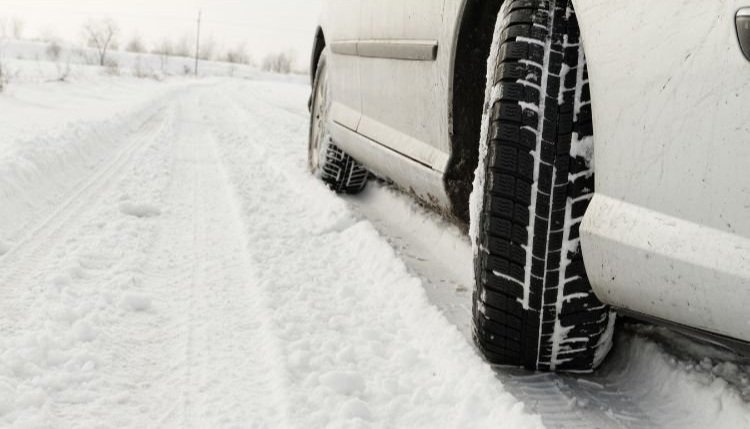
A decent tyre grip is imperative in the winter months
Fitting and Balancing
Once a tyre's replaced, proper fitting and wheel balancing matter just as much as the tyre itself. An unbalanced wheel causes vibration, uneven wear, and a genuinely less comfortable ride — always have new tyres professionally fitted and balanced rather than attempting it yourself. If you've had any bodywork or alloy wheel repair carried out at the same time, it's worth getting everything checked together, since a wheel that's been off the car recently is worth confirming is properly balanced before you're back on the road.

Retreaded tyres can cost less, but condition and suitability matter more than price
Frequently Asked Questions
Are reconditioned tyres as good as new tyres?
Reconditioned or retreaded tyres can be a cheaper alternative, but quality can vary. New tyres generally provide new tread and casing, so always choose tyres based on condition and suitability, not price alone.
How often should I check my tyre pressure?
At least once a month, and always before a longer journey — tyres naturally lose a small amount of pressure over time even without a puncture.
What's the legal minimum tread depth in the UK?
1.6mm across the central three-quarters of the tyre, all the way around its full circumference.
Are winter tyres worth it in Liverpool?
If you regularly drive in cold, icy, or wet conditions, yes — the improved grip and shorter stopping distances can make a genuine difference to safety.
Can I fit tyres myself to save money?
Fitting is possible but genuinely best left to professionals, since correct fitting and balancing directly affect both safety and how evenly your new tyres wear.
How do I know if I need a wheel alignment check?
Uneven tyre wear, your car pulling to one side, or having recently hit a significant pothole are all good reasons to get it checked.
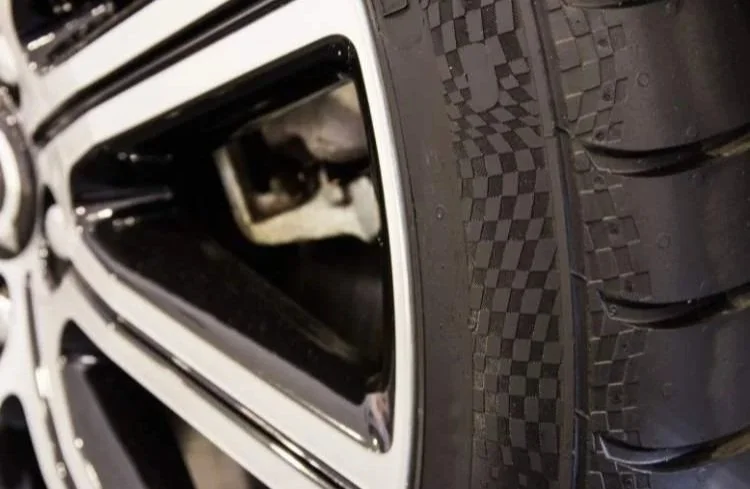
Decent tyre tread is as important as your car’s MOT
Right, So its now your Turn
Go and have a look at your tyres.
Not later — now, or at least before you next start the engine.
Check the pressure, glance at the tread, run a hand along the sidewall for anything that shouldn't be there.
If anything looks off, or it's simply been longer than you can remember since they were last checked, CPR Car Body Repairs Liverpool offers professional tyre fitting and balancing— call us on the below number and we'll sort it properly, no guesswork required.
CPR is a Liverpool Body Shop and supplies other services such as:
Scuffs & Scratches Paint Repair
If you are in need of a quote please complete the below quote form or just drop by the body shop for a quote, no appointment needed for a quote.
CPR Body Shop Address: Unit 2 Blackstock Street, Liverpool, L3 6EP
For your information please see the below blogs:
Liverpool Car, Van & Motorhome Respray
Expert Commercial Van Body Repairs, Liverpool
What's the Difference Between Car Detailing and Car Paint Correction?
THANK YOU FOR READING THIS BLOG POST TO THE END!